Kyoto & Multicultural Coexistence Interview
Exploring Support Networks for Foreign Residents in Kyoto
Kyoto is one of the world’s top tourist cities, attracting many international visitors, students, and migrants. However, behind its glamorous image as a tourist destination, the support systems for long-term foreign residents to live comfortably are still far from sufficient.

- Increase in Foreign Residents
In Kyoto City, the number of foreign residents has been increasing year by year, driven by tourism, study abroad programs, and technical training. Many of these newcomers come from Asian countries such as China, South Korea, and Vietnam, contributing to the growing diversity of the local community. - Promotion of Multicultural Coexistence Policies
The City of Kyoto has formulated a “Multicultural Coexistence Plan” and provides services such as consultation desks for foreign residents on daily life, Japanese language classes, and multilingual information dissemination. International exchange events and local multicultural festivals are also held.
On the other hand, the challenges are…
- Language Barrier
Language barriers remain a major challenge in many aspects of daily life, such as administrative procedures, healthcare, and education. While multilingual support has been improving, it is still far from sufficient. - Lack of Interaction with the Local Community
Interaction between foreign residents and Japanese residents is limited, and some experience a sense of isolation. Differences in culture and customs can also lead to misunderstandings and conflicts. - Employment and Education Disparities
There are disparities in employment conditions and educational opportunities for foreign residents. In particular, the working environments of technical trainees and international students, as well as learning support for children who do not have sufficient Japanese language skills, remain key challenges. - Information Provision During Disasters
During disasters, systems for providing timely and accurate information in multiple languages are sometimes insufficient, posing challenges to ensuring the safety of foreign residents.
This interview was conducted to shed light on the current situation and challenges of multicultural coexistence in Kyoto.
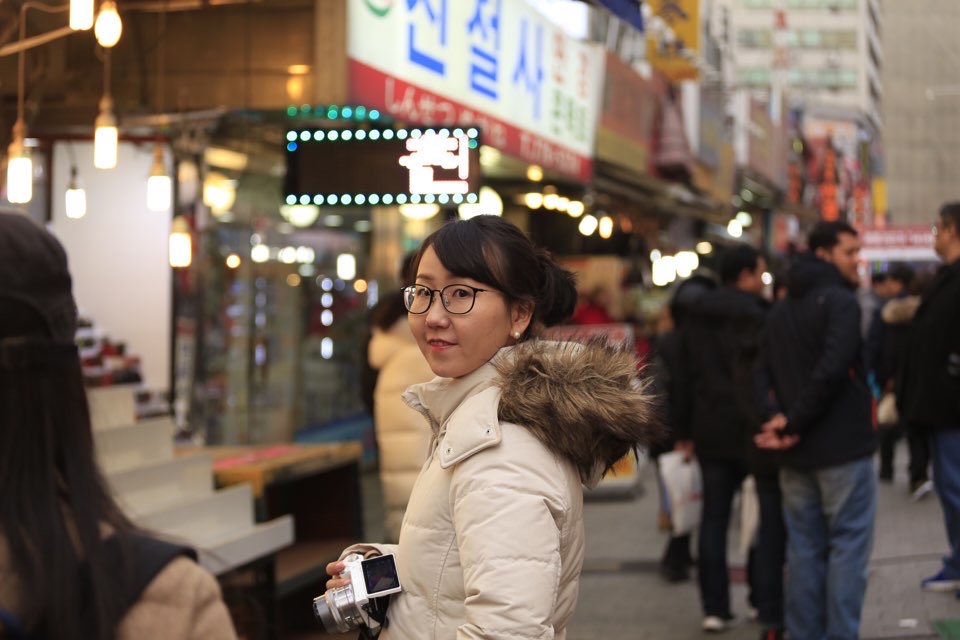
We spoke with Rie Yamamoto (Sai), the representative of Blending Community, who runs international exchange activities based at her coin laundry café in Nakagyo Ward.
Life as a Zainichi Korean
Sai was born and raised in the Mibu area of Kyoto City. She used the Japanese name “Yamamoto” through elementary and junior high school, but began using her real name, “Sai,” starting in high school. This shift was possible because she entered a private high school and later a private university, where there was less concern about using her Korean name within the local community.
Following her parents’ guidance, she generally did not have many opportunities to think deeply about her Korean roots during childhood. However, through everyday experiences such as her name, food, and family rituals, she recalls feeling, “I’m a bit different from everyone else.”
Sai
“I was completely immersed in Japanese society, attending regular Japanese schools all the way through elementary, junior high, high school, and university. However, at home and among my relatives, it was entirely Korean.”
Encountering Employment Discrimination and the First Major Setback
When Sai joined a major trading company group as a new graduate, she encountered discrimination for the first time because of her roots.
Sai
“There was bullying in the workplace. At first, I didn’t understand why, but later I learned it was driven by resentment toward my Korean nationality. My lunch was hidden, I was ignored… In the end, I had no choice but to quit after three months.”
This experience became a major turning point in Sai’s life.
Ten Years in Korea: Work Experience in a Global Department and Beyond
After that, while working at a publishing company and a law firm, Sai became involved in addressing hate speech issues led by far-right groups like Zaitokukai, which opened her eyes to broader social issues.
Driven by a desire to understand her origins and experience her roots firsthand, she decided to move to Korea. There, she worked as a foreign employee in a Korean company, serving as part of a multinational global team. At the same time, she expanded her activities by participating in international exchange events and teaching Japanese on weekends, gradually building connections across cultures.
Opening of Kyoto Laundry Café
After her father’s passing, Sai returned to Kyoto and decided to open her own shop. Using “laundry,” a part of everyday life, as a key concept, she envisioned creating a place where local residents and community leaders tackling various social issues could gather, and where ordinary people living in the city could bring their ideas to life.
She hoped that foreign residents would naturally become part of this space, sharing the community as equal members of the neighborhood.
Sai
“I had reached my limit with corporate life. When I thought about what I could do on my own, the idea of combining a café with a laundromat came to mind.”
And so, Kyoto Laundry Café was born. In the beginning, it operated as a small space for language classes and cultural exchange gatherings.
Starting for Blending Community
As the exchange gatherings continued, Sai noticed an increase in foreigners who were not just staying short-term but settling in Kyoto.
Realizing that more support for daily life was needed, she founded Blending Community in April 2024.
Sai
“It’s not an official NPO or legal entity, just a voluntary group. We started with the idea of friends coming together to help and support one another.”
Current Situation and Needs of Foreign Residents Living in Kyoto
B2B Businesses and Isolation
In Kyoto, there are more B2B businesses than B2C businesses, such as restaurants that directly serve Japanese customers.
As a result, many foreign residents can get by without speaking Japanese, which often leads to very limited interaction with the local community.
Sai
“Kyoto is one of Japan’s top tourist destinations, so it has its own unique circumstances. Even if someone starts a business without knowing any Japanese, they can bring in customers from their own country and keep the business running, which means there’s almost no interaction with Japanese society.”
Loneliness and Mental Health Issues Among Foreign Residents in Japan
Foreign residents who live without connections to the local community often experience deepening loneliness, which can lead to mental health struggles.
Sai
“I once received a request to help find a clinic with a psychiatrist who speaks English. Addressing loneliness will be a major challenge moving forward.”
Complexities of Divorce, Residency Status, and Economic Stability
When an international marriage falls apart, it is not uncommon for one partner to lose their residency status and no longer be able to live in Japan.
This often triggers both financial and emotional hardships, deepening their isolation from society.
Current State and Challenges of Support Networks
Kyoto’s Lack of “Bridge-Builders”
In areas like Ikuno Ward and Minoh City in Osaka Prefecture, international exchange centers operate through collaboration between the government and community organizations.
However, in Kyoto, the reality is that there are almost no organizations serving as bridge-builders to connect these groups.
Sai
“There is a government-run international exchange center, but it mainly holds events twice a year. Ongoing, close support for foreign residents living here is hard to see.
Meanwhile, the focus tends to be on people coming together to make money through inbound tourism.”
Active Online, Weak Offline Connections
Interaction through Facebook groups and Meetup is active, but much of it remains online or limited to temporary parties and gatherings.
There are very few international organizations or activity groups with a multicultural coexistence perspective that provide ongoing, face-to-face support.
Sai
“Information is overflowing on the internet. There are countless housing-related and exchange groups, including message boards for trading unwanted items when moving.
But when it comes to whether there are actual leaders, real people you can see and connect with… there are almost none.”
The Future Vision of Blending Community
Activities Focused on Combating Loneliness
Sai is particularly focused on addressing the issue of loneliness.
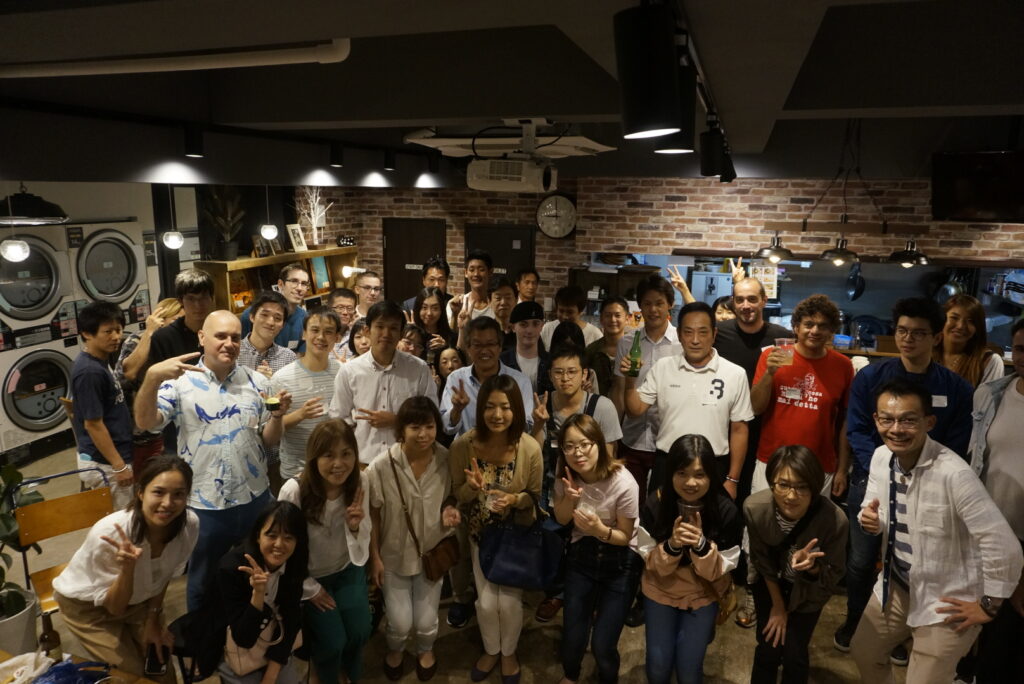
Her goal is to create a safe and welcoming space where anyone can easily seek advice, regardless of language or cultural barriers. She is also working to build communities that foster friendships and meaningful connections.
Expansion of Community Support Services
One of Sai’s future goals is to establish community support desks where people can easily seek help, even if their Japanese is limited.
As part of her vision for a “Multicultural Coexistence Center,” she ultimately hopes to create a center in Kyoto operated through collaboration between the government and private sectors.
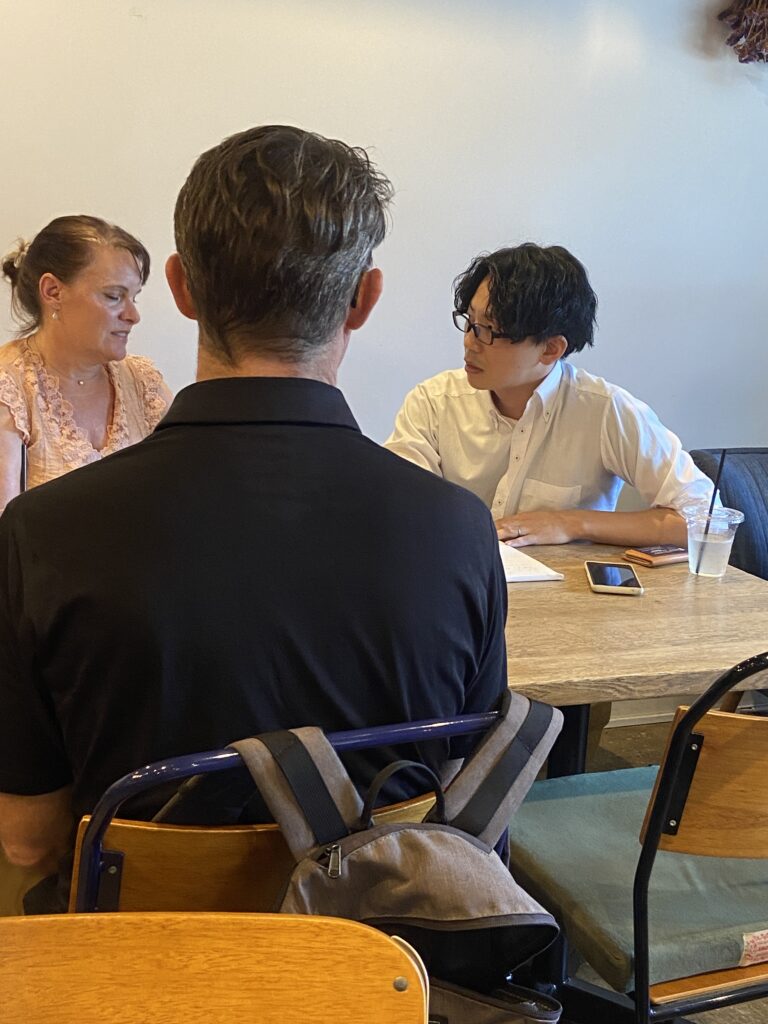
Kyoto is a city that attracts people from all over the world, yet the support system for long-term foreign residents is still in its early stages.
Blending Community began as a small group of friends, but it holds great potential to support and enrich the lives of foreign residents living in Kyoto.
The efforts toward multicultural coexistence that will shape Kyoto’s future are only just beginning.
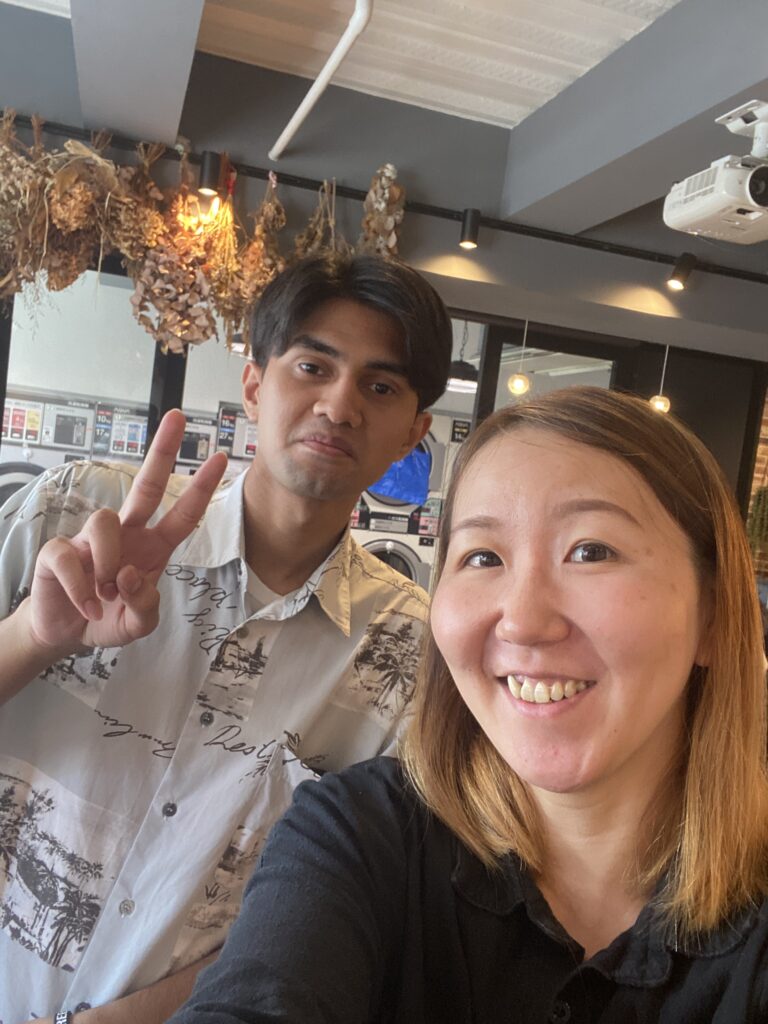
| Interviewer: Wijenayake John Ryan Coordinator, Non-Profit Organization glolab Born and raised in Osaka, Ryan is of mixed heritage with roots in Sri Lanka and the Philippines, and is a second-generation immigrant. He is a former young caregiver and currently a youth caregiver. Ryan is studying at Ritsumeikan University’s College of Social Sciences. He is involved in guest speaking activities on human rights and discrimination issues, awareness-raising work with NPOs, and projects that create safe spaces for individuals with immigrant backgrounds. |
This interview was conducted as part of the Social Research Practicum in the Certified Social Researcher program, College of Social Sciences, Ritsumeikan University.