Exploring Support Networks for Foreign Residents in Kyoto
Kyoto is one of the world’s top tourist cities, attracting many international visitors, students, and migrants. However, behind its glamorous image as a tourist destination, the support systems for long-term foreign residents to live comfortably are still far from sufficient.
Increase in Foreign Residents In Kyoto City, the number of foreign residents has been increasing year by year, driven by tourism, study abroad programs, and technical training. Many of these newcomers come from Asian countries such as China, South Korea, and Vietnam, contributing to the growing diversity of the local community.
Promotion of Multicultural Coexistence Policies The City of Kyoto has formulated a “Multicultural Coexistence Plan” and provides services such as consultation desks for foreign residents on daily life, Japanese language classes, and multilingual information dissemination. International exchange events and local multicultural festivals are also held.
On the other hand, the challenges are…
Language Barrier Language barriers remain a major challenge in many aspects of daily life, such as administrative procedures, healthcare, and education. While multilingual support has been improving, it is still far from sufficient.
Lack of Interaction with the Local Community Interaction between foreign residents and Japanese residents is limited, and some experience a sense of isolation. Differences in culture and customs can also lead to misunderstandings and conflicts.
Employment and Education Disparities There are disparities in employment conditions and educational opportunities for foreign residents. In particular, the working environments of technical trainees and international students, as well as learning support for children who do not have sufficient Japanese language skills, remain key challenges.
Information Provision During Disasters During disasters, systems for providing timely and accurate information in multiple languages are sometimes insufficient, posing challenges to ensuring the safety of foreign residents.
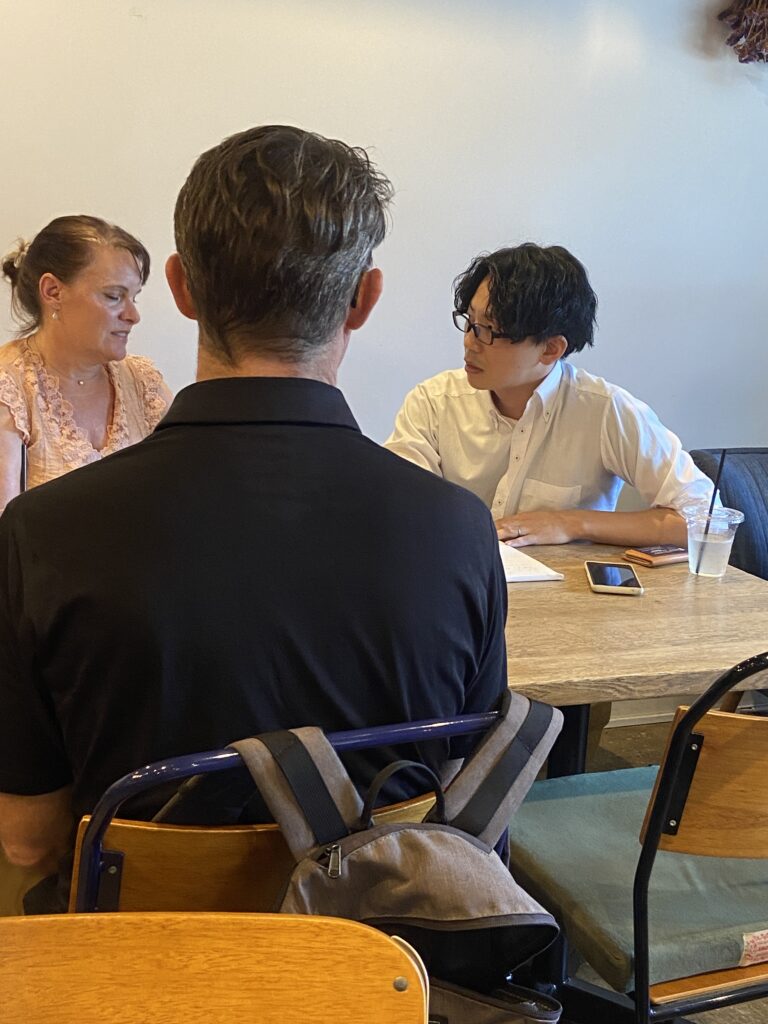
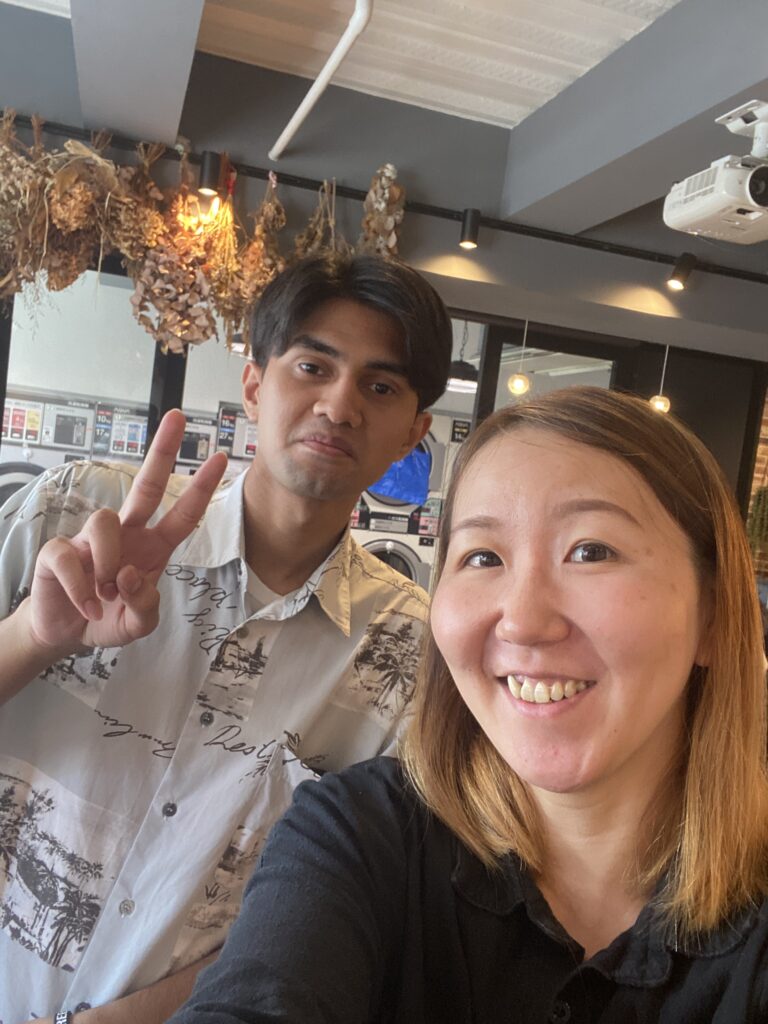
This interview was conducted to shed light on the current situation and challenges of multicultural coexistence in Kyoto. We spoke with Rie Yamamoto (Sai), the representative of Blending Community, who runs international exchange activities based at her coin laundry café in Nakagyo Ward.
Life as a Zainichi Korean
Sai was born and raised in the Mibu area of Kyoto City. She used the Japanese name “Yamamoto” through elementary and junior high school, but began using her real name, “Sai,” starting in high school. This shift was possible because she entered a private high school and later a private university, where there was less concern about using her Korean name within the local community.
Following her parents’ guidance, she generally did not have many opportunities to think deeply about her Korean roots during childhood. However, through everyday experiences such as her name, food, and family rituals, she recalls feeling, “I’m a bit different from everyone else.”
Sai “I was completely immersed in Japanese society, attending regular Japanese schools all the way through elementary, junior high, high school, and university. However, at home and among my relatives, it was entirely Korean.”
Encountering Employment Discrimination and the First Major Setback
When Sai joined a major trading company group as a new graduate, she encountered discrimination for the first time because of her roots.
Sai “There was bullying in the workplace. At first, I didn’t understand why, but later I learned it was driven by resentment toward my Korean nationality. My lunch was hidden, I was ignored… In the end, I had no choice but to quit after three months.”
This experience became a major turning point in Sai’s life.
Ten Years in Korea: Work Experience in a Global Department and Beyond
After that, while working at a publishing company and a law firm, Sai became involved in addressing hate speech issues led by far-right groups like Zaitokukai, which opened her eyes to broader social issues.
Driven by a desire to understand her origins and experience her roots firsthand, she decided to move to Korea. There, she worked as a foreign employee in a Korean company, serving as part of a multinational global team. At the same time, she expanded her activities by participating in international exchange events and teaching Japanese on weekends, gradually building connections across cultures.
Opening of Kyoto Laundry Café
After her father’s passing, Sai returned to Kyoto and decided to open her own shop. Using “laundry,” a part of everyday life, as a key concept, she envisioned creating a place where local residents and community leaders tackling various social issues could gather, and where ordinary people living in the city could bring their ideas to life.
She hoped that foreign residents would naturally become part of this space, sharing the community as equal members of the neighborhood.
Sai “I had reached my limit with corporate life. When I thought about what I could do on my own, the idea of combining a café with a laundromat came to mind.”
And so, Kyoto Laundry Café was born. In the beginning, it operated as a small space for language classes and cultural exchange gatherings.
Starting for Blending Community
As the exchange gatherings continued, Sai noticed an increase in foreigners who were not just staying short-term but settling in Kyoto. Realizing that more support for daily life was needed, she founded Blending Community in April 2024.
Sai “It’s not an official NPO or legal entity, just a voluntary group. We started with the idea of friends coming together to help and support one another.”
Current Situation and Needs of Foreign Residents Living in Kyoto
B2B Businesses and Isolation
In Kyoto, there are more B2B businesses than B2C businesses, such as restaurants that directly serve Japanese customers. As a result, many foreign residents can get by without speaking Japanese, which often leads to very limited interaction with the local community.
Sai “Kyoto is one of Japan’s top tourist destinations, so it has its own unique circumstances. Even if someone starts a business without knowing any Japanese, they can bring in customers from their own country and keep the business running, which means there’s almost no interaction with Japanese society.”
Loneliness and Mental Health Issues Among Foreign Residents in Japan
Foreign residents who live without connections to the local community often experience deepening loneliness, which can lead to mental health struggles.
Sai “I once received a request to help find a clinic with a psychiatrist who speaks English. Addressing loneliness will be a major challenge moving forward.”
Complexities of Divorce, Residency Status, and Economic Stability
When an international marriage falls apart, it is not uncommon for one partner to lose their residency status and no longer be able to live in Japan. This often triggers both financial and emotional hardships, deepening their isolation from society.
Current State and Challenges of Support Networks
Kyoto’s Lack of “Bridge-Builders”
In areas like Ikuno Ward and Minoh City in Osaka Prefecture, international exchange centers operate through collaboration between the government and community organizations. However, in Kyoto, the reality is that there are almost no organizations serving as bridge-builders to connect these groups.
Sai “There is a government-run international exchange center, but it mainly holds events twice a year. Ongoing, close support for foreign residents living here is hard to see. Meanwhile, the focus tends to be on people coming together to make money through inbound tourism.”
Active Online, Weak Offline Connections
Interaction through Facebook groups and Meetup is active, but much of it remains online or limited to temporary parties and gatherings. There are very few international organizations or activity groups with a multicultural coexistence perspective that provide ongoing, face-to-face support.
Sai “Information is overflowing on the internet. There are countless housing-related and exchange groups, including message boards for trading unwanted items when moving. But when it comes to whether there are actual leaders, real people you can see and connect with… there are almost none.”
The Future Vision of Blending Community
Activities Focused on Combating Loneliness
Sai is particularly focused on addressing the issue of loneliness. Her goal is to create a safe and welcoming space where anyone can easily seek advice, regardless of language or cultural barriers. She is also working to build communities that foster friendships and meaningful connections.
Expansion of Community Support Services
One of Sai’s future goals is to establish community support desks where people can easily seek help, even if their Japanese is limited. As part of her vision for a “Multicultural Coexistence Center,” she ultimately hopes to create a center in Kyoto operated through collaboration between the government and private sectors.
Kyoto is a city that attracts people from all over the world, yet the support system for long-term foreign residents is still in its early stages. Blending Community began as a small group of friends, but it holds great potential to support and enrich the lives of foreign residents living in Kyoto.
The efforts toward multicultural coexistence that will shape Kyoto’s future are only just beginning.
Interviewer: Wijenayake John Ryan Coordinator, Non-Profit Organization glolab
Born and raised in Osaka, Ryan is of mixed heritage with roots in Sri Lanka and the Philippines, and is a second-generation immigrant. He is a former young caregiver and currently a youth caregiver. Ryan is studying at Ritsumeikan University’s College of Social Sciences. He is involved in guest speaking activities on human rights and discrimination issues, awareness-raising work with NPOs, and projects that create safe spaces for individuals with immigrant backgrounds.
This interview was conducted as part of the Social Research Practicum in the Certified Social Researcher program, College of Social Sciences, Ritsumeikan University.
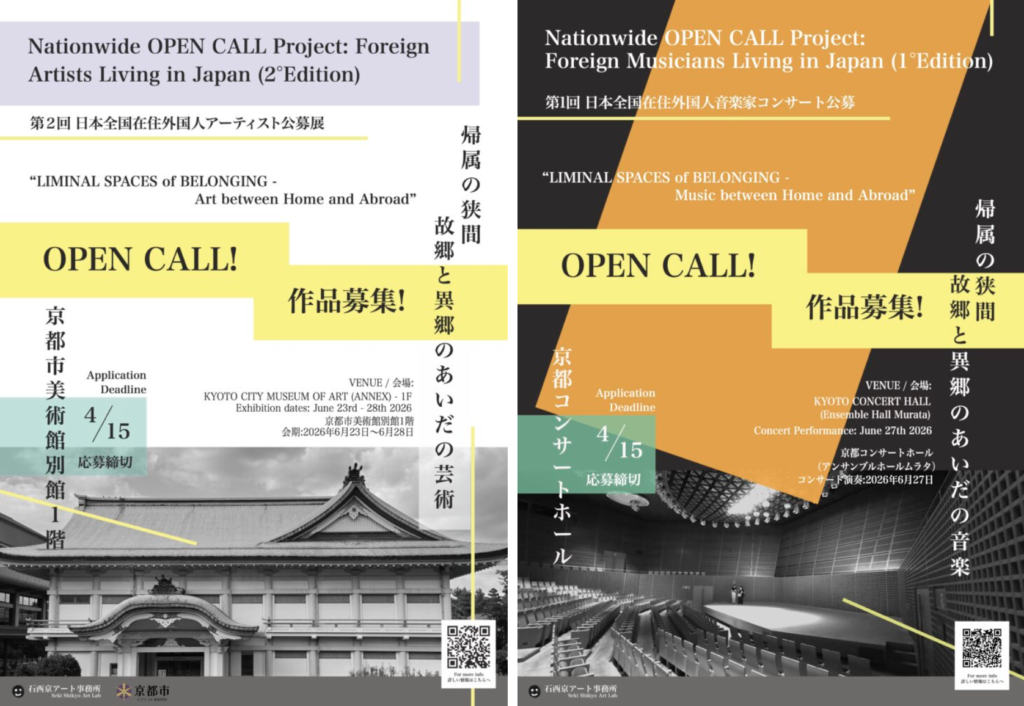
From Kyoto to the World 2026 Nationwide Open Call for Foreign Artists and Musicians Living in Japan
A Question from Kyoto: Exploring the “Liminal Spaces of Belonging”
In recent years, the presence of foreign artists and musicians living in Japan has become increasingly visible. Across cities and regions, creators from diverse cultural backgrounds are contributing to Japan’s artistic landscape while navigating life between cultures.
What does it mean to create art while living “in-between” — between home and abroad, between languages, between identities?
Seki Art Lab launches the nationwide open call project is below.
“Liminal Spaces of Belonging – Art & Music Between Home and Abroad.”
This initiative focuses on the concept of the “liminal” — a transitional, boundary-like condition often experienced by those who live long-term outside their country of origin. Rather than framing this in-betweenness as uncertainty alone, the project recognizes it as a source of creativity and new cultural dialogue.
In June 2026, selected artists and musicians will present their work at two of Kyoto’s leading cultural institutions: Kyoto Concert Hall and Kyoto City Museum of Art (Annex).
Through this dual-format program — a concert and an exhibition — the project aims to highlight how foreign creators living in Japan interpret belonging, identity, and cultural hybridity in their own artistic language.(Application Deadline: April 15, 2026)
The “Liminal Spaces of Belonging” Project ◯Music Category (1st Edition Concert) Focused on classical and traditional musicians Live performance at Kyoto Concert Hall Performance-based selection Kyoto Mayor’s Award for outstanding performers
◯Art Category (2nd Edition Exhibition) Focused on visual artists Exhibition at Kyoto City Museum of Art (Annex) Display-based selection Formal recognition for outstanding works Both categories share the same thematic foundation and application deadline but differ in format, venue, and presentation method.
Kyoto on Screen Five Netflix Titles That Bring Japan’s Ancient Capital to Life
Kyoto has a way of capturing the imagination—its lantern‑lit alleys, wooden machiya(町家), and centuries‑old traditions make it one of the most cinematic cities in the world. These five Netflix‑connected titles offer a vivid look into Kyoto’s culture, food, and artistry. Whether you’re planning a visit or simply want to experience Kyoto from home, each title brings a different side of the city to life.
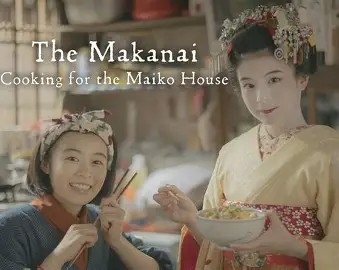
1.The Makanai: Cooking for the Maiko House
A gentle, intimate portrait of life inside Gion’s maiko community
Set in the heart of Gion, this series follows two teenage girls who move into a maiko house to pursue their dreams. When Kiyo discovers she isn’t suited to become a maiko, she becomes the makanaiÄi0—the cook who prepares meals for the apprentices. The show is a warm, slow, beautifully filmed look at Kyoto’s traditional world: kimono dressing rituals, wooden townhouses, seasonal ingredients, and the emotional bonds inside a yakata. It’s one of the most authentic portrayals of Kyoto ever produced for Netflix.
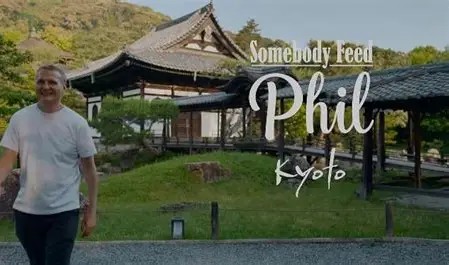
2. Somebody Feed Phil – Kyoto Episode
A joyful, food-driven journey through Kyoto’s markets and kitchens
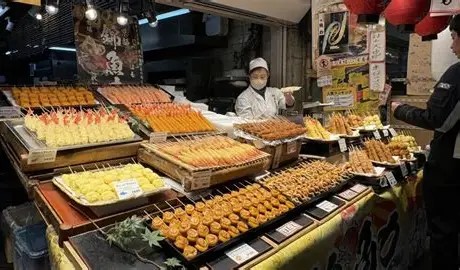
Phil Rosenthal explores Kyoto with humor and curiosity, wandering through Nishiki Market, sampling sweets, and meeting local chefs. The episode highlights Kyoto’s balance of old and new—traditional dishes preserved by generations and modern interpretations by young chefs. It’s light, fun, and full of heart, making it a perfect introduction to Kyoto’s food culture.
3. Somebody Feed Phil – Yuma’s Story & Hidden Food Gems
A deeper, more personal look at Kyoto’s culinary community
This companion feature focuses on Yuma, Phil’s local guide, and the people who shape Kyoto’s food identity. It explores family‑run shops, lesser‑known restaurants, and the cultural roots behind Kyoto’s seasonal cooking. The tone is warm and human, offering a behind‑the‑scenes look at the artisans who keep Kyoto’s culinary traditions alive.
A meditative exploration of nature, seasonality, and craft
This visually stunning episode follows Chef Yoshihiro Imai, creator of Monk, a 14‑seat restaurant along the Philosopher’s Path. Although the series focuses on pizza, the episode becomes a meditation on Kyoto’s relationship with nature. Imai sources ingredients from local farmers and forests, crafting dishes that reflect the seasons. The cinematography captures Kyoto’s rivers, mossy paths, and quiet streets, making this one of the most atmospheric portrayals of the city on Netflix.
5. Sparks of Tomorrow (Kyoto Animation, 2026)
A new animated series born from Kyoto’s most beloved studio
Produced by Kyoto Animation, this upcoming Netflix Japan title carries the studio’s signature emotional storytelling and detailed backgrounds. While the story may not be set directly in Kyoto, the studio’s artistic style is deeply influenced by the region’s landscapes and architecture. The series represents Kyoto’s creative spirit on a global stage and highlights the city’s role as a hub for world‑class animation.
Kyoto’s Spiritual Barriers and the Secrets of the Oni /京都の結界と鬼の秘密
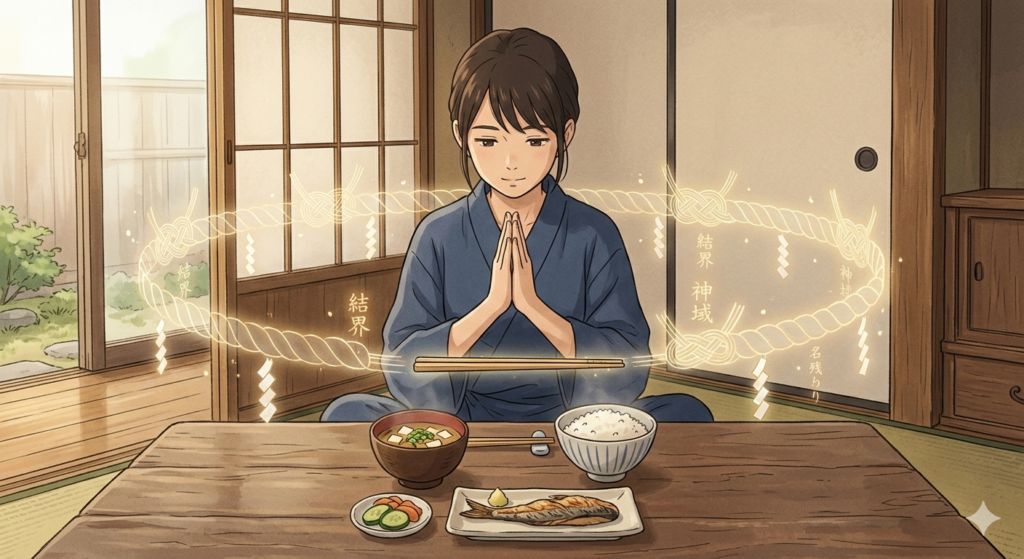
Beyond Kyoto’s stunning temples and gardens lies a “spiritual defense system” that has operated for over 1,200 years. Why did this city require such elaborate mystical protection? Based on our recent workshop, let’s dive into the deep waters of Kyoto’s hidden history and the “dots” that connect its sacred sites.
Wake no Kiyomaro: The Visionary Who Built Kyoto’s Destiny
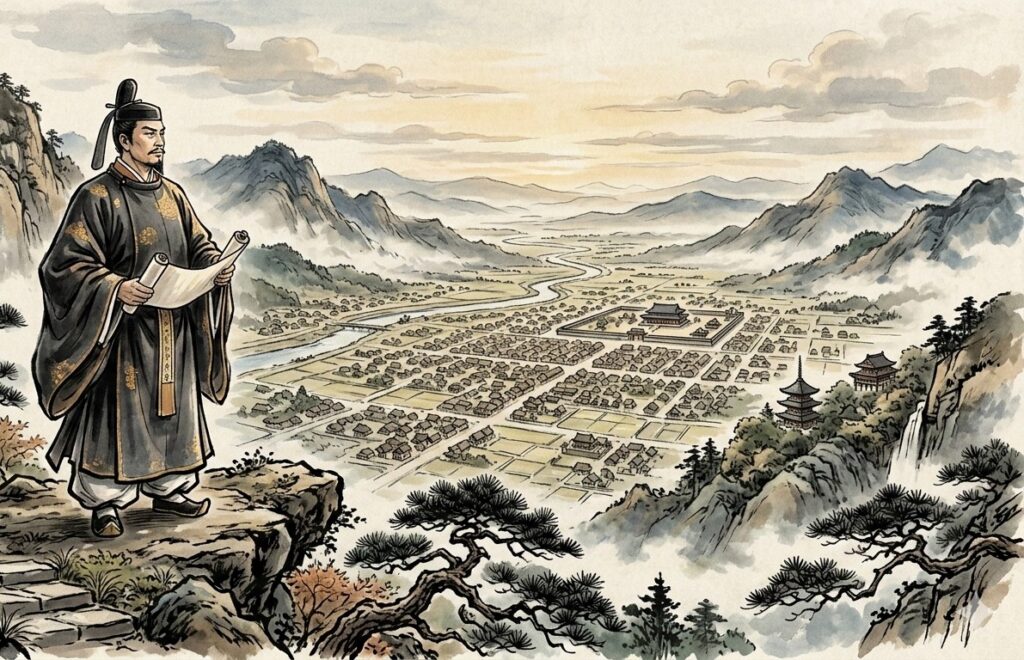
Wake no Kiyomaro’s DeterminationThe birth of Kyoto (Heian-kyo) was driven by the iron will of one man: Wake no Kiyomaro. At the time, the old capital in Nara was paralyzed by the political interference of powerful Buddhist factions.Kiyomaro sought a pristine land to forge a new era.
He set his sights on the basin of Yamashiro, surrounded by protective mountains and pure rivers. He wasn’t just a government official; he was an “urban producer” who believed that the flow of nature’s energy (Feng Shui) determined the destiny of a nation. His passion for this basin laid the foundation for the world’s most sophisticated “barrier city.”
The Four Guardians of Kyoto: How Mythical Beasts Protected an Ancient Capital
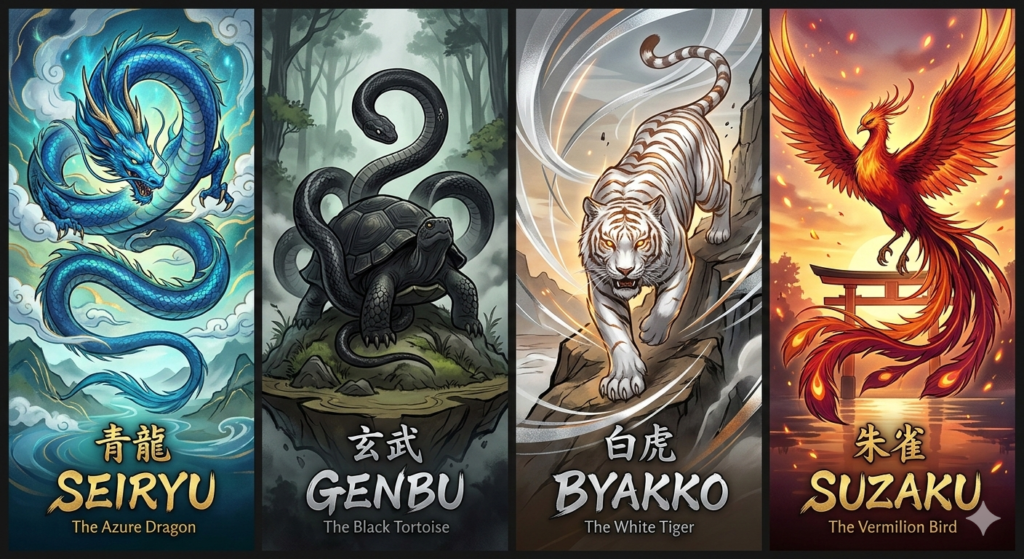
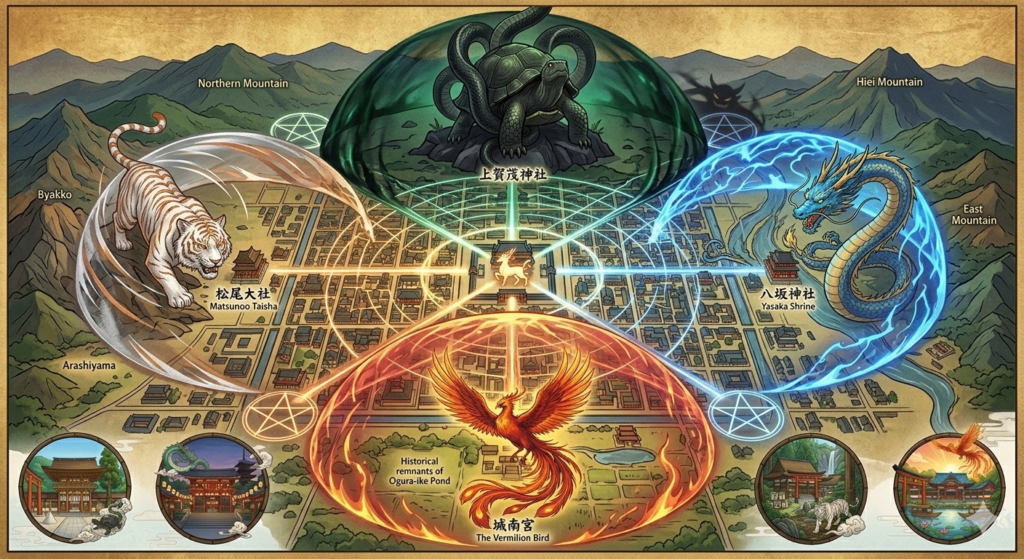
North Genbu(The Black Tortoise & Serpent) / Guards against the harsh northern winds, granting longevity and wisdom (Kamigamo Shrine).
East Seiryu (The Azure Dragon) / A symbol of life and vitality, governing the Kamo River to bring success and prosperity (Yasaka Shrine).
West Byakko (The White Tiger) / A powerful protector of the roads, keeping calamity at bay (Matsunoo Taisha).
South Suzaku (The Vermilion Bird) / A majestic firebird representing light and summer. Here is where a fascinating historical “dot” connects: Originally, the south was protected by the vast Ogura-ike Pond, where the water mirrored the spirit of the Suzaku.
However, when the pond was reclaimed for land in modern times, Jonangu Shrine—a vital hub for transportation—took over the crucial role of guarding the city’s southern gate.
Masters of the Dark: Abe no Seimei and the Sacred Pentagram Seal
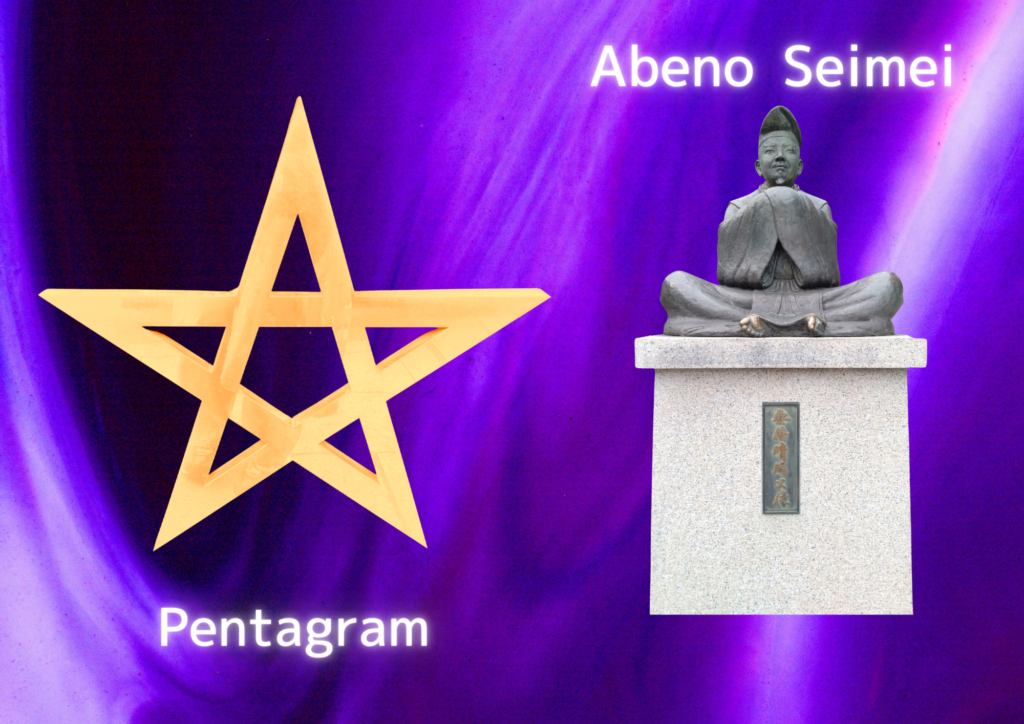
Abe no Seimei and the Pentagram SealThe four guardians alone weren’t enough to hold back the “darkness” of ancient Kyoto. Enter the legendary sorcerer (Onmyoji), Abe no Seimei.
His iconic symbol, the Seimei-kikyo (Pentagram), represents the five elements: Wood, Fire, Earth, Metal, and Water. This “one-stroke” star was a spiritual trap—designed so that evil could never enter, and once caught, could never leave. By adding the Kirin (The Golden Dragon) at the center of the grid, with Heian Jingu Shrine as its symbolic heart, the spiritual barrier reached its ultimate strength.
The Demon Gate and the Guardian Monkey: Decoding Kyoto’s Oni Myth
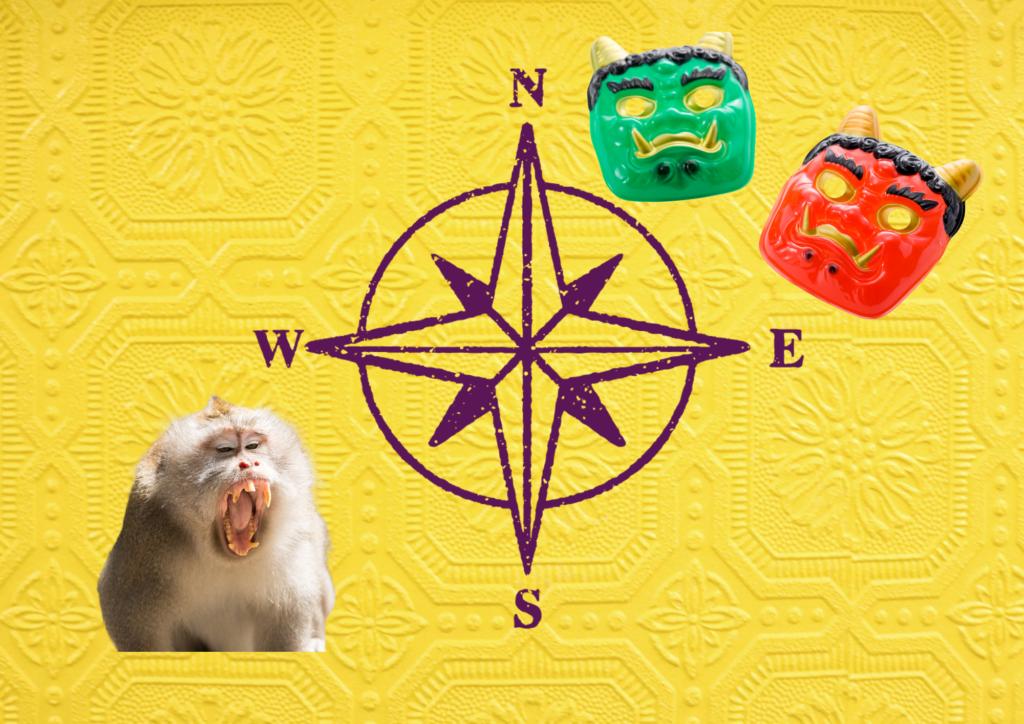
Interestingly, the visual appearance of an Oni—horns on the head and wearing tiger-skin loincloths—comes directly from the compass. The “Demon Gate” (Kimon) is located in the Northeast, the direction of the Ox (Ushi) and the Tiger (Tora) in the Chinese Zodiac. Thus, demons were depicted with the horns of an ox and the fur of a tiger.To counter this, the Monkey (Saru) was recruited. Because the Monkey sits exactly opposite the Demon Gate on the zodiac clock (Southwest), it became the “anti-demon” guardian.
Even today, at the Northeast corner of the Imperial Palace (known as Sarugatsuji), you can find a wooden monkey carving watching the night, ensuring that evil “passes away” (a play on the Japanese word Saru, which means both “monkey” and “to leave”).
The Destiny of the Basin: Kyoto’s Invisible Barriers and the Infrastructure of the Heart
Why the “Kekkai” Were NecessaryLooking back at the geography, I believe the reason for these barriers was rooted in the nature of a “basin.” Enclosed by mountains, Kyoto can feel stagnant; the air is heavy, and in ancient times, the fear of plagues and floods weighed on the soul.In such a confined environment, these barriers provided “Spiritual Security.” By telling the citizens, “You are safe within these invisible walls, protected by gods and beasts,” the leaders calmed the hearts of the people. Wake no Kiyomaro’s map wasn’t just urban planning—it was an “infrastructure of the heart.”
The Invisible Walls of Kyoto: Geography, Fear, and Faith
When the Dots Become a LineThe joy of studying history is the moment when scattered shrines and legends suddenly connect into a single “line.” Even in modern Kyoto, these “mini-barriers” live on—in the salt placed at doorways or the charms found in family homes.When you next visit Kyoto, don’t just look at the shrines. Look for the invisible lines that connect them. You will see the traces of a 1,000-year-old prayer for peace
This content is edited based on the workshop held by Nanahaya on February 28.
What is the Difference Between Shrines and Temples?
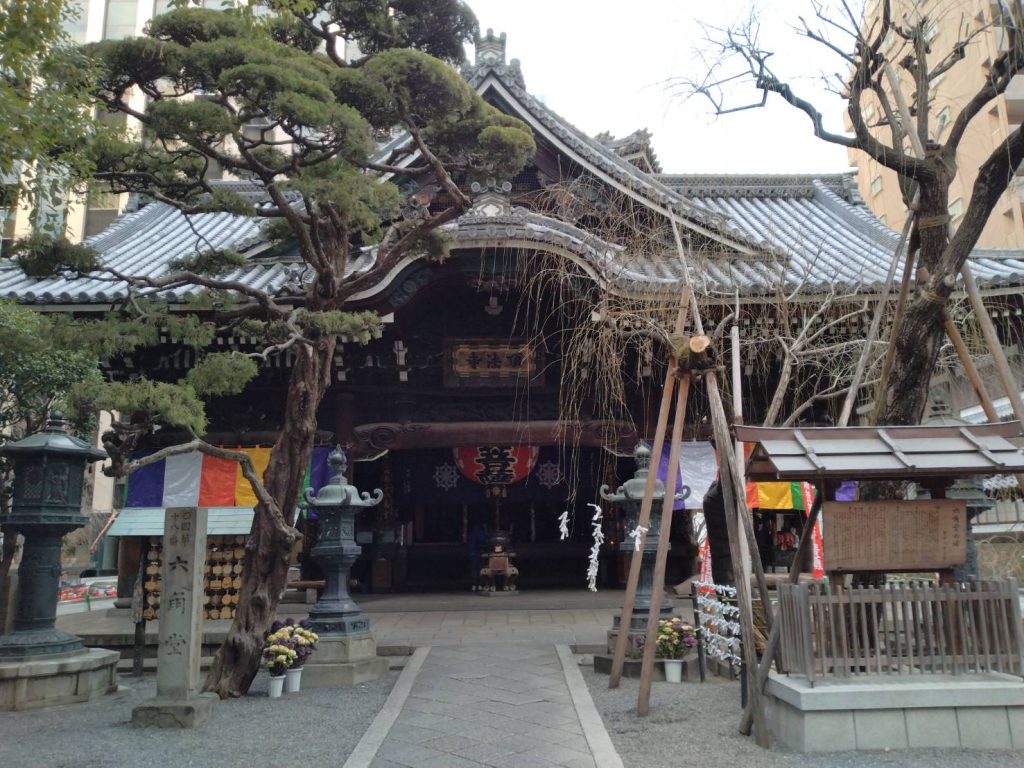
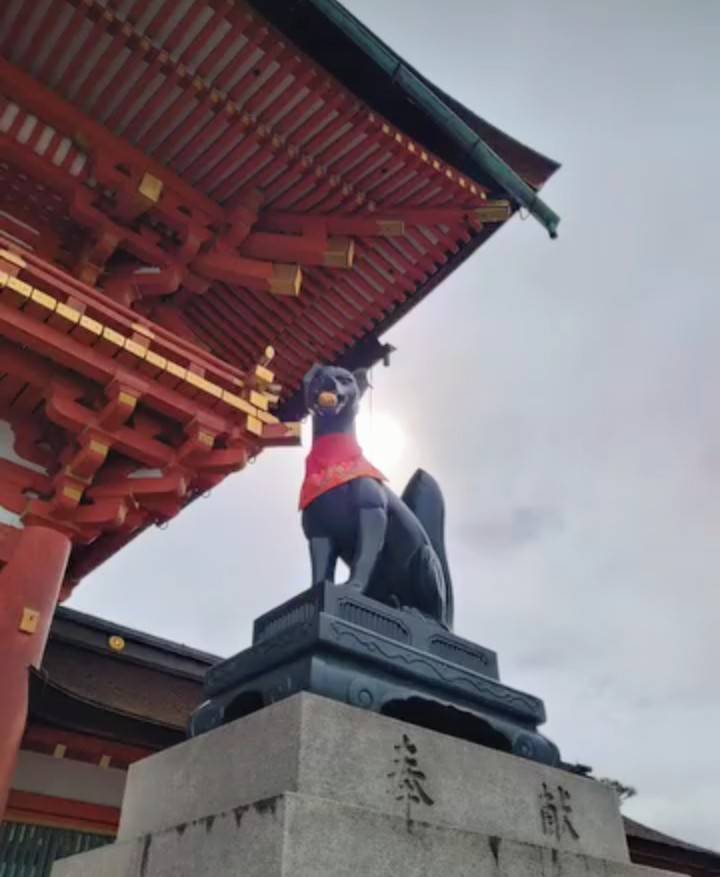
Living in Kyoto, travelers from abroad often ask this question. Interestingly, even for many Japanese people, providing a clear answer can be surprisingly difficult. We tend to think, “If it has a torii gate, it’s a shrine. If it has a Buddhist statue, it’s a temple.” While we understand this intuitively, we often find ourselves at a loss for words when trying to explain why they are different. In Kyoto, where shrines and temples stand side-by-side as a natural part of the landscape, we often pass them by without deeply reflecting on their distinct identities.
The Fundamental Difference: Shinto vs. BuddhismThe most significant distinction lies in the object of faith. Shrines are rooted in Shinto, Japan’s indigenous belief system. It is based on the concept of Yaoyorozu-no-Kami (Eight Million Gods), believing that spirits reside in all things—mountains, rivers, trees, rocks, and even significant people or events. Conversely, temples belong to Buddhism, which was introduced to Japan about 1,500 years ago. Temples serve as places to study Buddhist teachings and reflect on one’s way of life and the state of one’s heart.Kyoto’s Temples: Spiritual Fortresses Guarding the CapitalIn the context of Kyoto, temples were more than just places of prayer; they were “apparatuses” designed to protect the capital. When Kyoto was the center of Japanese politics and culture as Heian-kyo, people assigned a special role to the surrounding mountains to ward off invisible disasters, plagues, and war. It is no coincidence that major temples, like those on Mt. Hiei, were built in the mountains. Mountains were sacred, distant from daily life, and served as barriers against external threats. By placing Buddhist teachings there, the city was symbolically and spiritually fortified. This is why many Kyoto temples are located on slopes or elevated areas—not just for the “quiet,” but to overlook and guard the entire city.
The Sanmon Gate: A Massive Threshold to Another World
Have you ever felt that temple gates are unusually large? That isn’t just your imagination. The Sanmon gate at a temple’s entrance is not a mere doorway; it is architecture embodying a philosophy. For instance, the Sanmon at Chion-in is about 50 meters wide—one of the largest in Japan. The name “Sanmon” (often written as 三門) refers to the three gates of liberation in Buddhism:Ku (Emptiness): Realizing that nothing has a fixed, permanent substance.Muso (Formlessness): Not being misled by outward appearances.Musa (Effortlessness): Letting go of artificiality and accepting things as they are.Passing through this gate is a ritual of leaving the secular world behind and entering the realm of the Buddha. This is why we naturally straighten our posture and lower our voices; our bodies instinctively recognize that we have crossed into a different world.
Aesthetics Born from Zen and the Reality of Life
The “simple” and “minimalist” beauty of Kyoto temples stems from Zen Buddhism, which was deeply embraced by the Samurai. Living in an era of constant warfare where death was always near, Samurai found spiritual support in Zen, which emphasizes focusing on “the present moment” and quieting the mind. Zen values stripping away the unnecessary—prioritizing experience over words and insight over logic. This philosophy evolved into Karesansui (dry landscape gardens), ink wash paintings, and unadorned architecture. The beauty found in Kyoto’s temples is not merely a design choice; it is the physical manifestation of how people confronted life and death.
The Meaning Behind the Manners: Clapping vs. Silence
Knowing the “why” changes how you see the scenery. At a shrine, we clap our hands to call the deity and to show we are not carrying weapons. In a temple, we join our hands in Gasho (prayer) to symbolize becoming one with the Buddha. Though the forms differ, both are acts of profound respect. By shifting from “memorizing manners” to “considering who we are greeting,” the culture and landscape of Kyoto begin to resonate more deeply within the heart.
Understanding the “Why” of Local Kyoto
Understanding the difference between a shrine and a temple is synonymous with understanding the city of Kyoto itself. For those living here or those planning to move, the best way to enjoy this city deeply is to pause at a “Why?” and explore it. This local insight brings history and culture closer to our daily lives. In our next session, we will continue to dig into the fascinating mysteries of Kyoto. We look forward to seeing you then!
※This article was reconstructed and edited by our editorial team based on the content of the Machi-Aruki Nanahaya Workshop held on January 28, 2026.
Jidai Festival, A Time Travel Parade in Kyoto!
Why Did the Jidai Matsuri Start?
The Jidai Matsuri (Festival of the Ages) is one of Kyoto’s biggest festivals, but it’s actually quite new!
It started in 1895 (Meiji 28), when the Heian Jingu Shrine was built. This was to celebrate 1,100 years since the capital of Japan moved to Kyoto (Heian-kyo).
At that time, the Emperor moved to Tokyo, and the people of Kyoto wanted to cheer up their city. So, they decided to create a festival to show off Kyoto’s long history and culture. The idea was to make a huge parade where people wear clothes from different ages. This festival is a symbol of the Kyoto people’s pride and celebrates Kyoto’s “birthday” on October 22nd.
Meet the Stars of the Parade! Famous Historical Figures
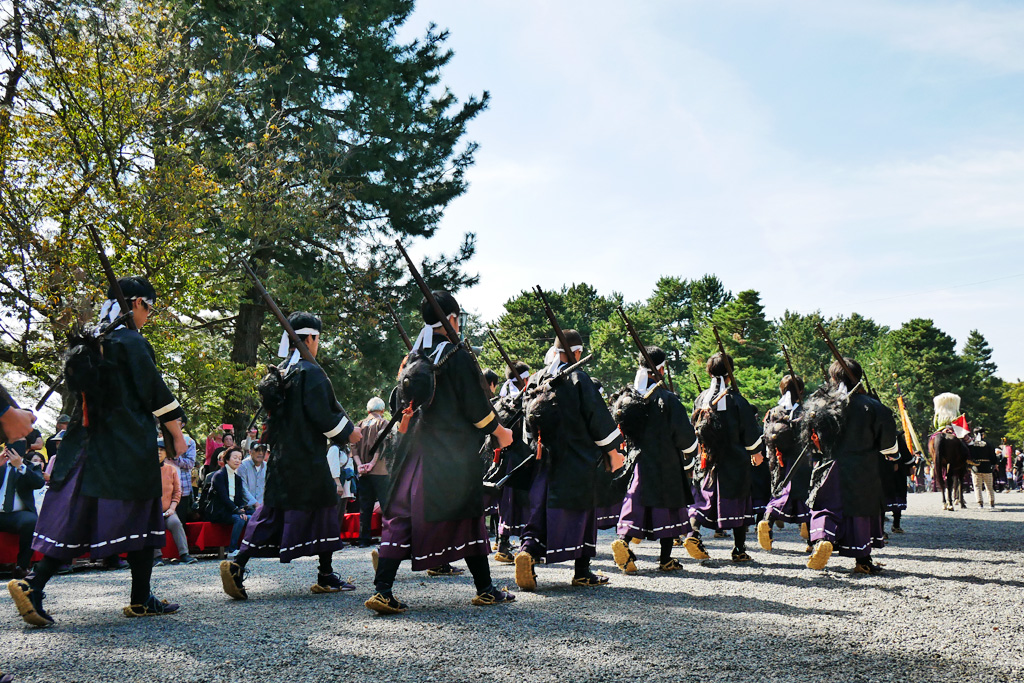
The best part of the Jidai Matsuri is the Historical Procession (Jidai Gyoretsu)! About 2,000 people march, wearing authentic clothes from the past.
The parade goes backwards in time, from the newest era (Meiji Restoration) to the oldest (Enryaku Era). Here are some famous people you’ll see.
Ishin Kinno-tai Meiji Restoration Era
Yamaguni-tai Troops They were soldiers who fought for the Emperor. They march with drums and flutes—it’s very loud and powerful!
Bakumatsu Shishi Meiji Restoration Era Ryoma Sakamoto
You’ll see famous heroes who changed Japan’s future. Look for Ryoma Sakamoto—he has one arm out of his kimono!
Edo Women Edo Era
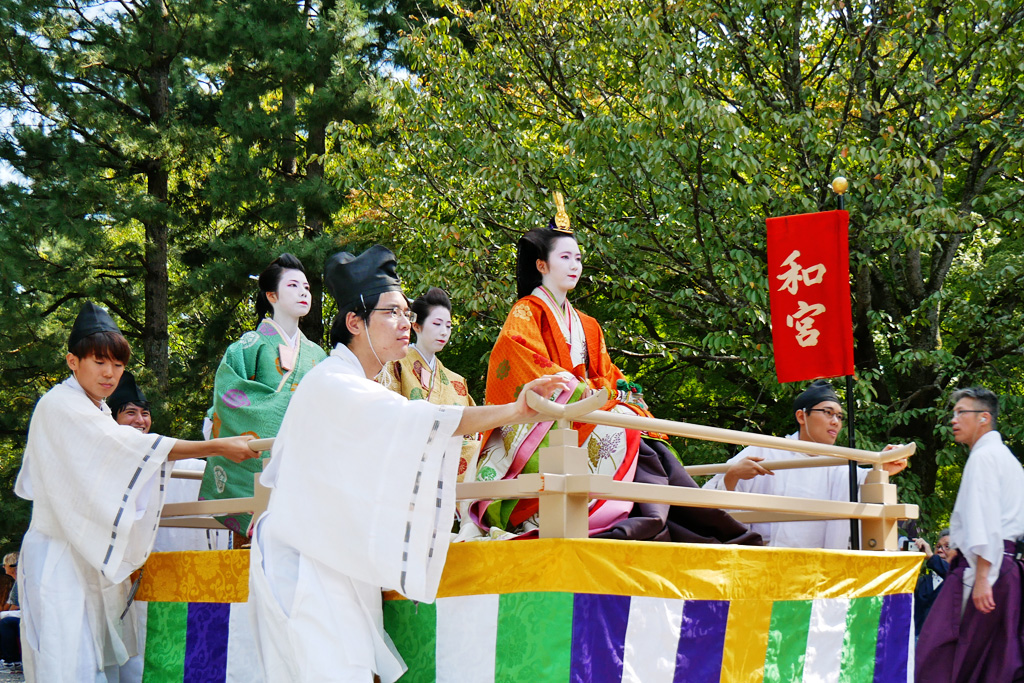
Princess Kazu-no-miya This line shows the beautiful fashion of Edo women. You’ll see a princess and a very high-class courtesan, Yoshino Tayu.
Heian Women Heian Era Murasaki Shikibu
Japan’s culture was born in this era. Murasaki Shikibu (who wrote The Tale of Genji) and Sei Shonagon are in the parade, wearing beautiful “Juni-Hitoe” (twelve-layered kimonos
Oda’s Troops Azuchi-Momoyama Era Nobunaga Oda
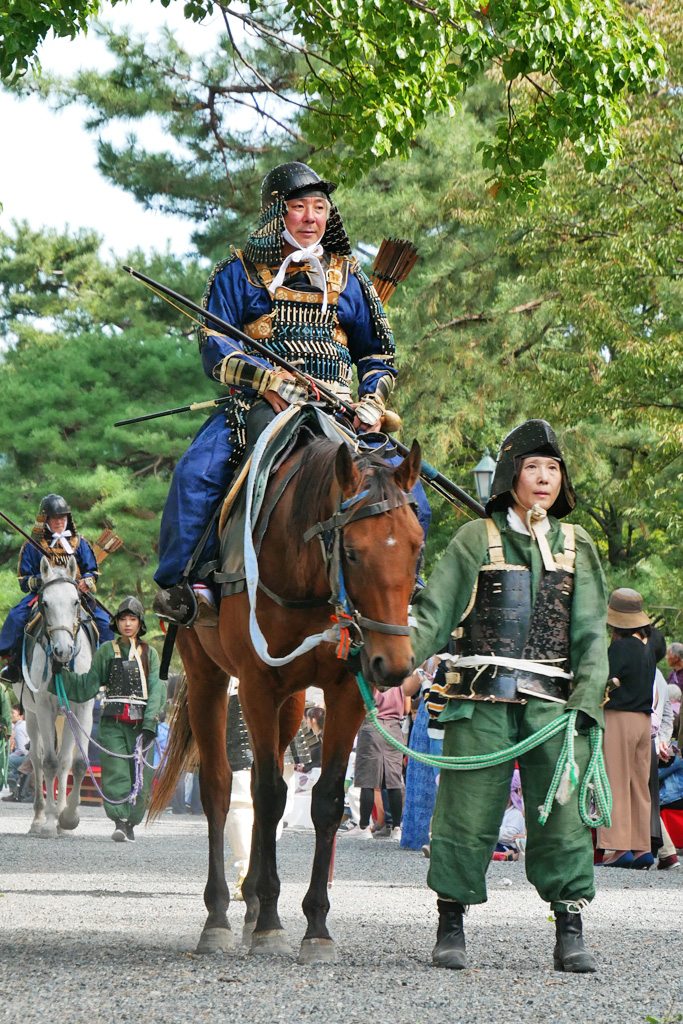
A strong line of warriors! It shows Nobunaga Oda and his generals like Hideyoshi Toyotomi marching into Kyoto.
The most important part is the Shinko-retsu (Gods’ Procession) at the very end.
This carries the spirits of two Emperors—Emperor Kanmu and Emperor Komei—in two beautiful palanquins called “Go-Horen.”
The Parade Route! 🚶♀️
The Jidai Matsuri takes place every year on October 22nd (postponed to the next day if it rains).
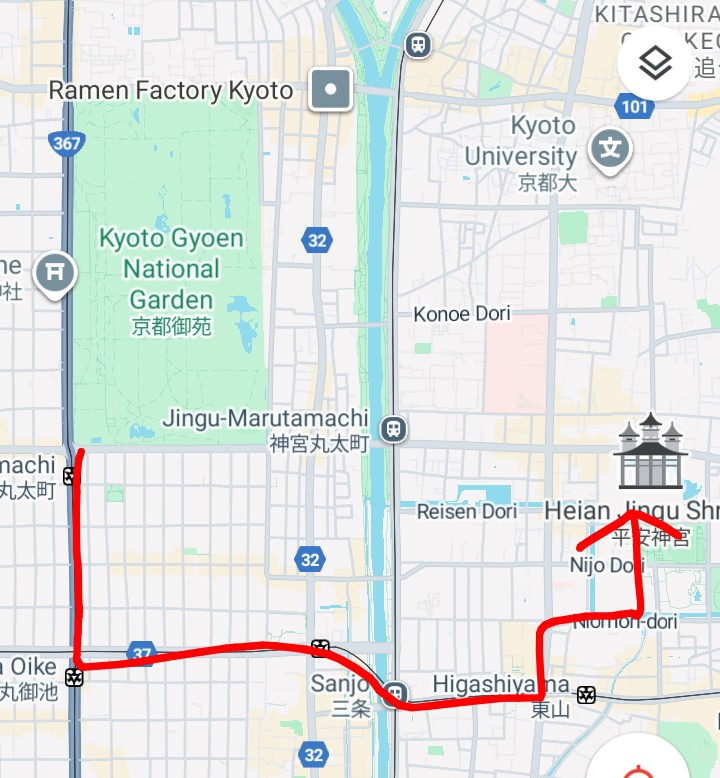
The route is about 4.5 kilometers long and takes about 2 hours to complete.
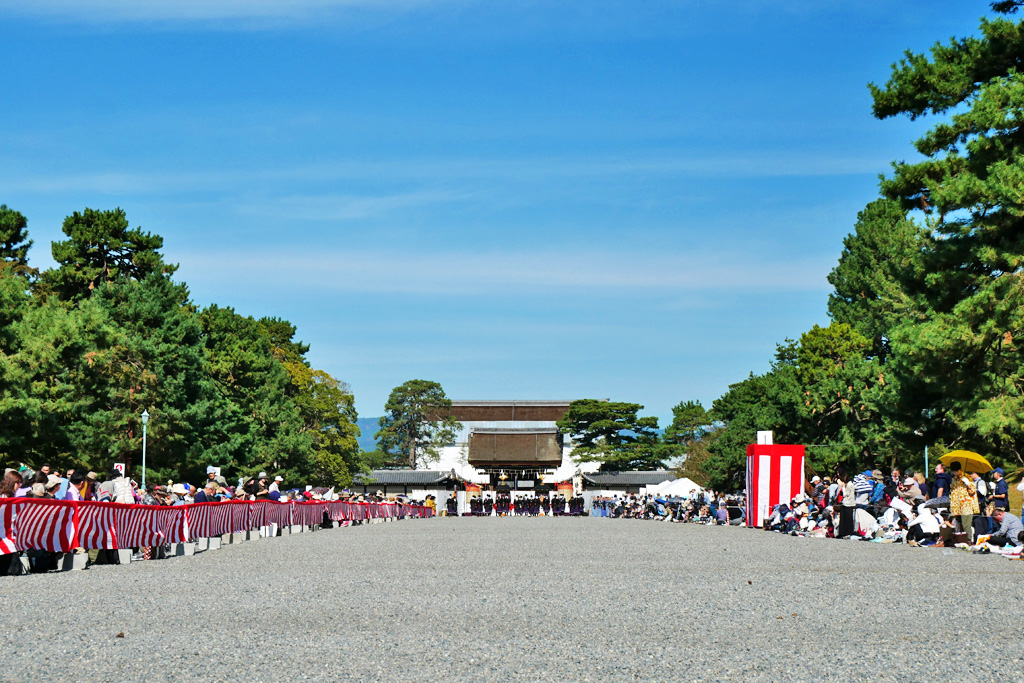
①Kyoto Gyoen (Imperial Palace Park) The starting point of the parade!
②Karasuma Oike Close to the subway station, easy to get to.
③Sanjo Bridge They cross the Kamo River—a great photo opportunity!
④Heian Jingu Shrine The parade’s goal!
Best Free Spots!
Kyoto Gyoen: If you go very early (before 8 AM), you can try to save a spot to see the excitement before the start!
Oike Street (near City Hall) This street is wide, so even if there are many people, you can usually see well.
Jingu Road (near Heian Jingu)This road is narrower, so you can see the costumes up close before the parade finishes!
5. Final Word: A Living History Book! 📚
The Jidai Matsuri is like a “living history book” walking right in front of you.
Seeing the great people of Japan’s past and their beautiful clothing is a very moving experience. It shows the great culture and love for history of the Kyoto people.
If you are in Kyoto, be sure to join the celebrations on October 22nd! We hope you enjoy this wonderful festival!
TAIWAN PRISM in Kyoto! 在京都遇見多彩的台灣!
Meetup Editor
CHOIIHHAE
Taiwan-themed market
On August 30 (Sat) and 31 (Sun), 2025, the historic Shimei Kaikan in Kyoto will transform into a vibrant hub of Taiwanese culture. “Taiwan Prism in Kyoto 2025” brings together historians, writers, musicians, artists, martial arts masters, and more, offering two full days of talks, workshops, live music, and a special Taiwan-themed market.
Whether you’re a Taiwan enthusiast or just curious, this is your chance to explore the island’s history, art, activism, cuisine, and everyday life — all through the voices of specialists from both Japan and Taiwan.
Diverse Programs & Special Guests
Over 12 programs will be held in the 3rd floor auditorium, featuring renowned guests such as historian Takeshi Komagome, writer Hikari Suse, comic artist Gao Yan, producer Hiroko Maeda, artist Bubu de la Madeleine, and many more. Topics include:
Taiwan–Japan history and storytelling
Behind-the-scenes of the hit film “Your Love Song 18×2”
The unique “Y-shaped intersections” of Taiwan and Kyoto
Indigenous Taiwanese songs and cross-cultural musical collaborations
Martial arts workshops on Song Jiang Battle Array and Southern Fist styles
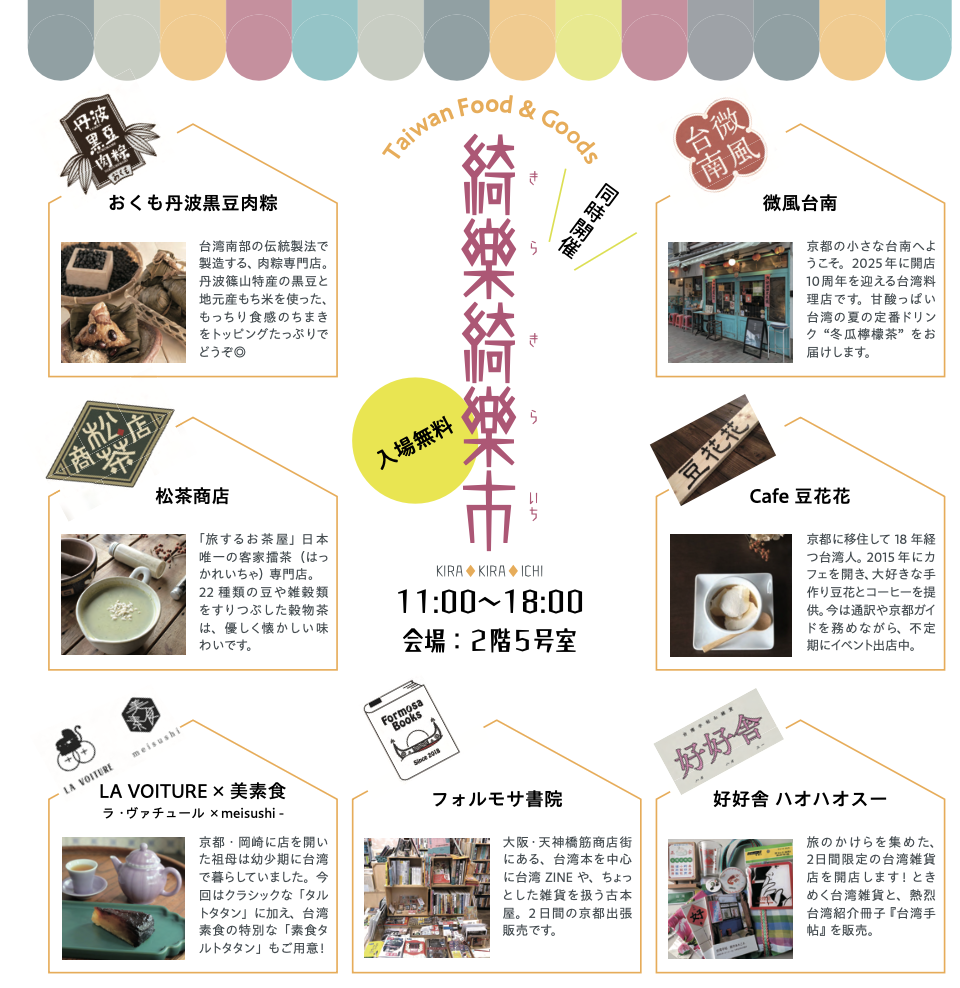
Taiwan Market – Kira Kira Ichi
On the 2nd floor, from 11:00 to 18:00 daily, enjoy free-entry shopping at “Kira Kira Ichi,” where you’ll find Taiwanese food, tea, desserts, books, and crafts. Featured vendors include:
Hao Hao She – curated Taiwanese goods & the Taiwan Notebook zine
Special Publication
The event’s spirit is also captured in the newly released book “Taiwan Prism 1: Fragments of Light, Ties of Memory”, featuring essays by guest speakers and unique perspectives on Taiwan’s culture and history!
Taiwan-themed market Event Info Date: August 30–31, 2025 Venue: Shimei Kaikan, Kyoto (5 min walk from Kuramaguchi Station, Subway Karasuma Line) https://maps.app.goo.gl/YQ5LKK4iD2P8cPAMA Tickets: ¥1,000 general / ¥800 students per program (advance booking required) Market: Free entry, no ticket required Website & Booking:taiwanprism.com | Peatix
Experience Gion Festival Like a Local: A Guide to Kyoto’s Most Magical Month
Summer in Kyoto Starts with Gion Matsuri
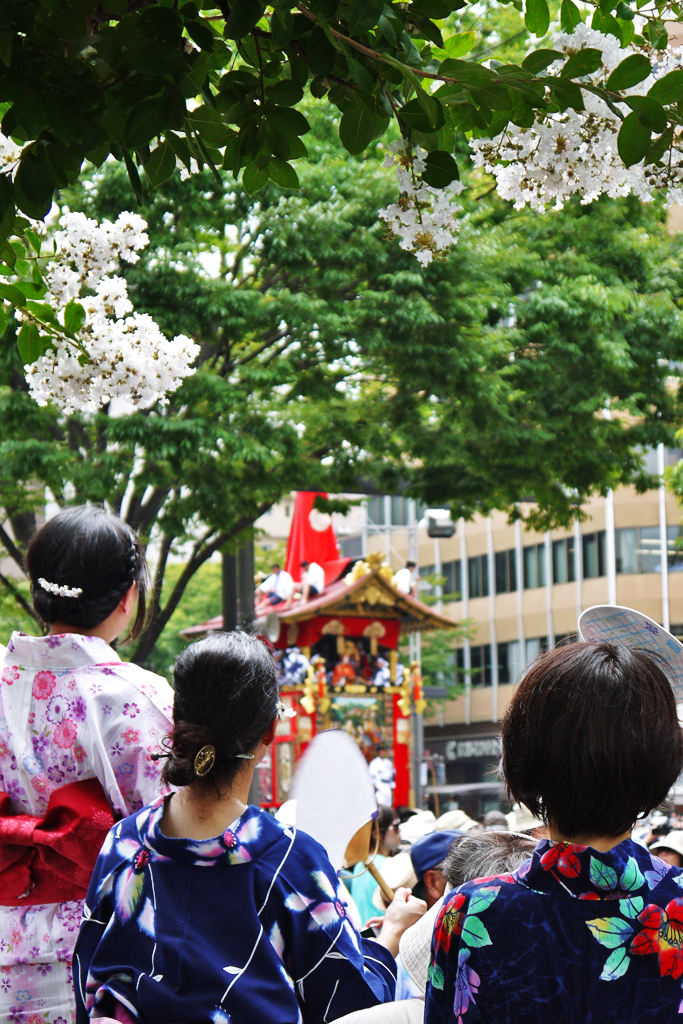
When July comes around, Kyoto transforms. Lanterns go up, people start wearing yukata, and the sound of flutes and drums fills the air. It’s Gion Matsuri season—a month-long celebration that’s deeply rooted in the city’s soul.
For locals, it’s not just a festival. It’s a tradition, a rhythm of life, and something to look forward to every summer.
1150 Years of History Behind the Celebration
Gion Festival dates back to over 1150 years ago, starting during a time when an epidemic swept through Kyoto. People believed the illness was caused by the anger of Gozu Tenno, a powerful deity. To calm him, a purification ritual was held. That ritual gradually evolved into the Gion Matsuri we know today.
At the center of the festival is Yasaka Shrine. The portable shrines (called mikoshi) that are carried around town are believed to absorb bad spirits and bring protection to the city. The final event where the mikoshi returns to the shrine is called Kankōsai, and it’s filled with meaning.
Watching Giant Floats Parade Through the Streets
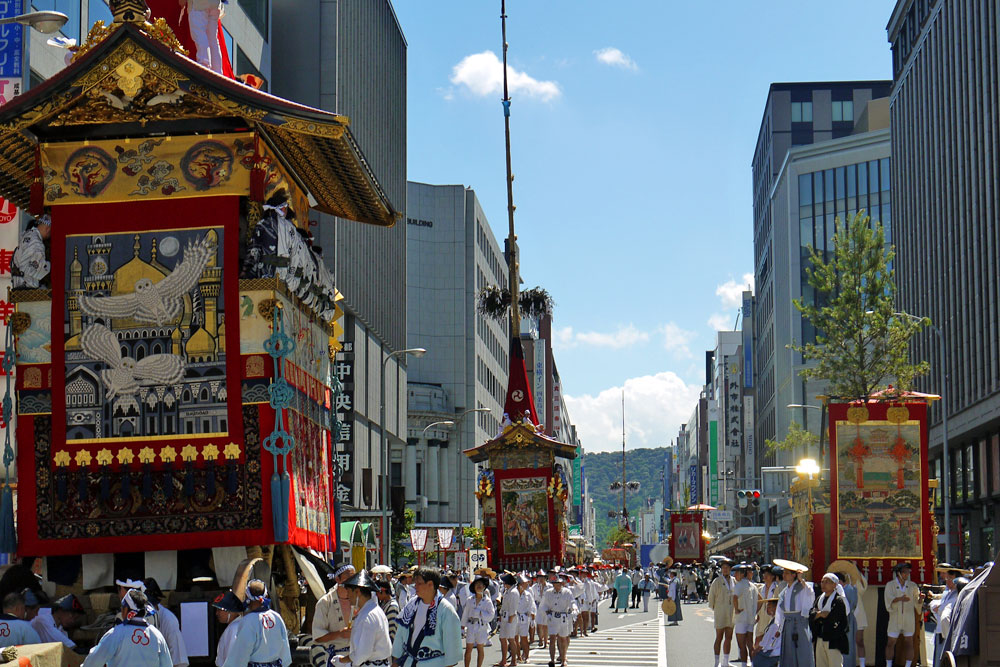
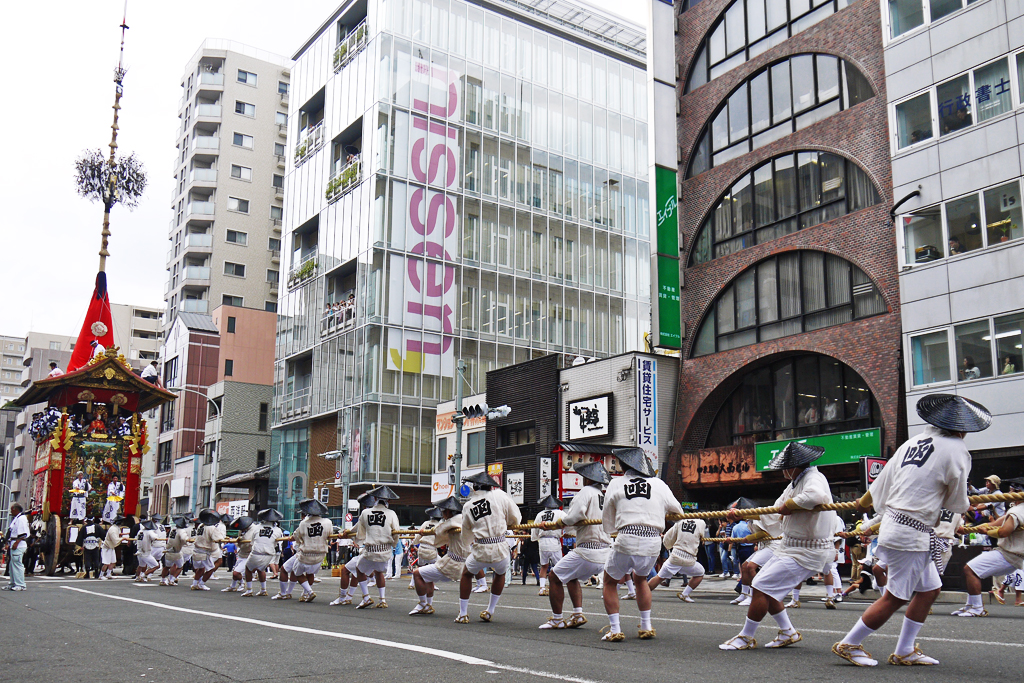
One of the most breathtaking parts of the festival is the float parade, called Yamaboko Junko, held on July 17 and 24. These floats aren’t just big—they’re huge. Some are as tall as a five-story building and weigh up to 12 tons!
Among them, the most famous is Tsukihoko, often called a “moving museum” because of its stunning decorations. These floats roll slowly through the streets, pulled by teams of people in traditional dress. The atmosphere is electric with cheers, music, and camera flashes.
Yoiyama Nights: Lanterns, Food Stalls, and Old Kyoto Magic
From July 14 to 16, the city gets into full festive mode for Yoiyama, the pre-parade nights. Streets are closed to traffic, and people stroll through glowing lantern-lined paths, enjoying street food, games, and performances.
One hidden gem is the Byobu Matsuri—local families open their traditional townhouses and display treasured folding screens and art pieces. It’s a rare peek into private Kyoto homes and history.
Why Gion Matsuri Was Recognized by UNESCO
In 2016, Gion Matsuri was registered as a UNESCO Intangible Cultural Heritage. But it’s more than the gorgeous floats—it’s about community. Each float is cared for by local neighborhood groups, and many of the decorations are made using traditional crafts like Nishijin weaving and lacquerware.
This festival keeps Kyoto’s artisan spirit alive. The skills, the pride, and the sense of responsibility are passed down through generations.
Local Tips for Enjoying Gion Matsuri
While most visitors focus on the two parade days, the truth is Gion Matsuri runs all of July. That means you can enjoy different events almost every day, from shrine rituals to small neighborhood processions.
Want to avoid the crowds? Try visiting the backstreets near Karasuma Oike for a closer, quieter look at the floats. Want the perfect photo in a yukata? Go in the evening during Yoiyama, when the lanterns are glowing and the festival mood is just right.
See You Again Next Year
Gion Matsuri isn’t just a summer festival. It’s a feeling—a blend of tradition, beauty, and the warmth of Kyoto people. Whether it’s your first visit or your tenth, the festival has a way of making you want to come back.
After all, once you experience Gion Matsuri, it’s hard not to say: “Let’s meet again here next year.”
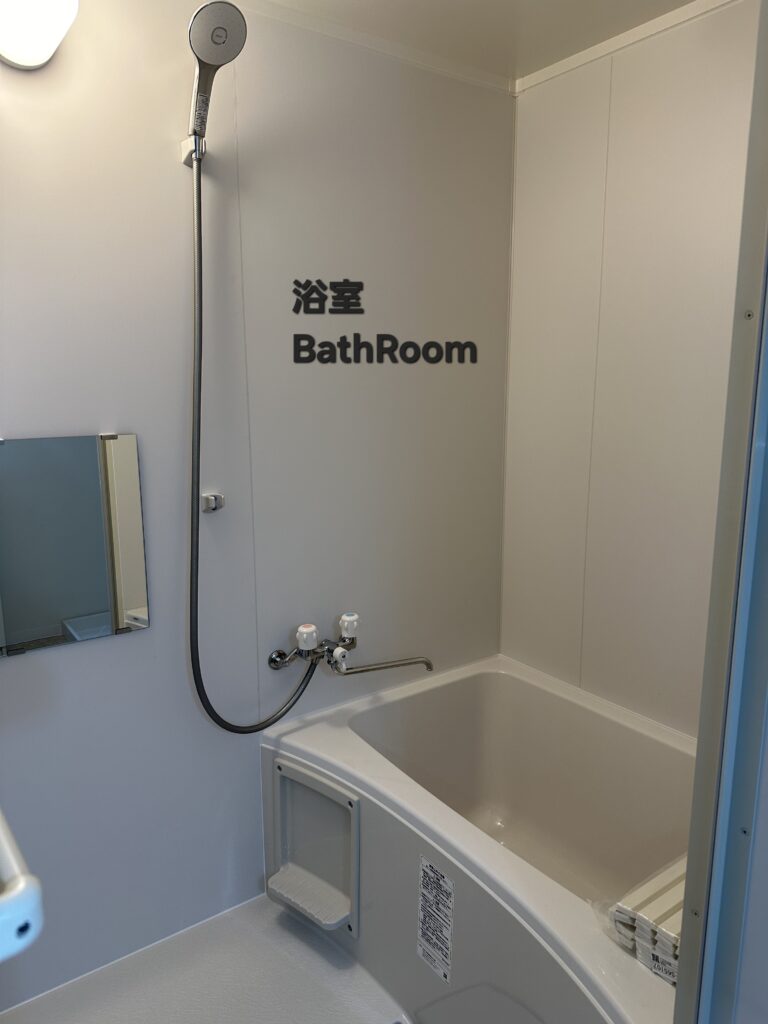
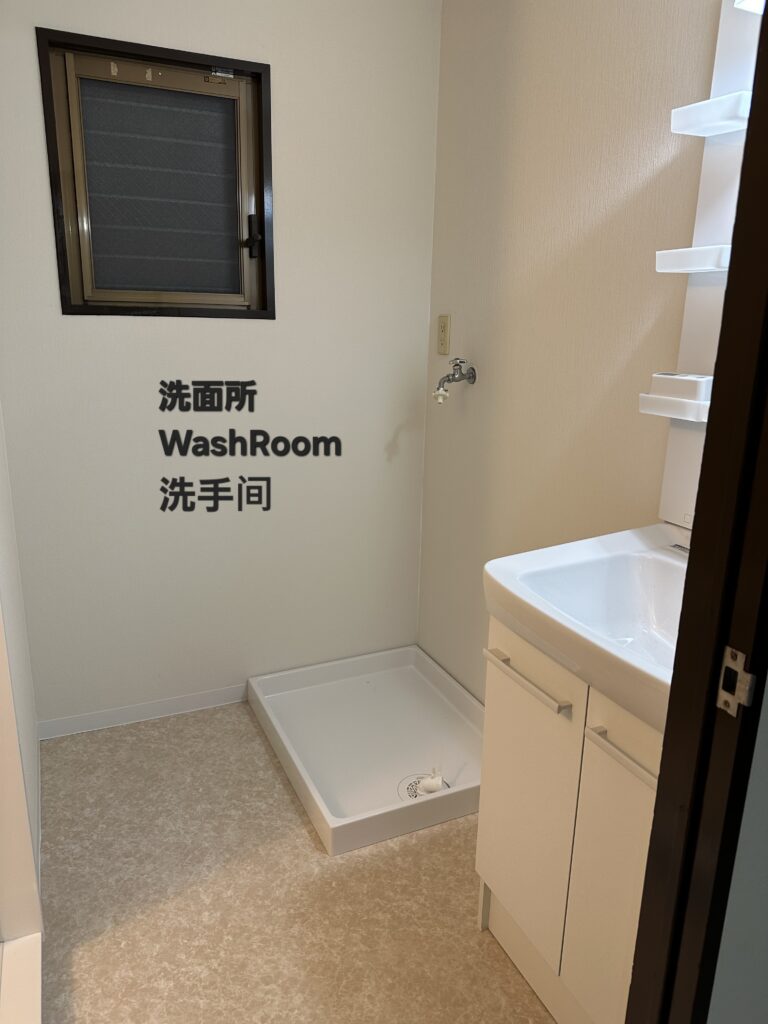
Kyoto Enmachi Housing Info -residential area
Looking for a place to live in Kyoto?
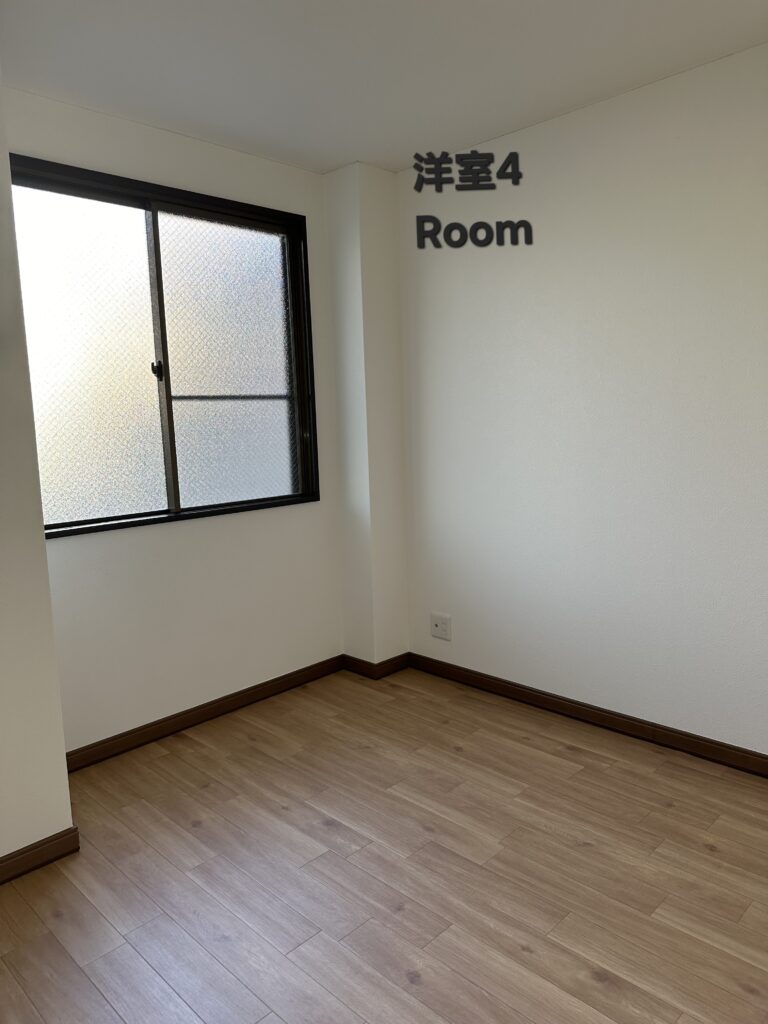
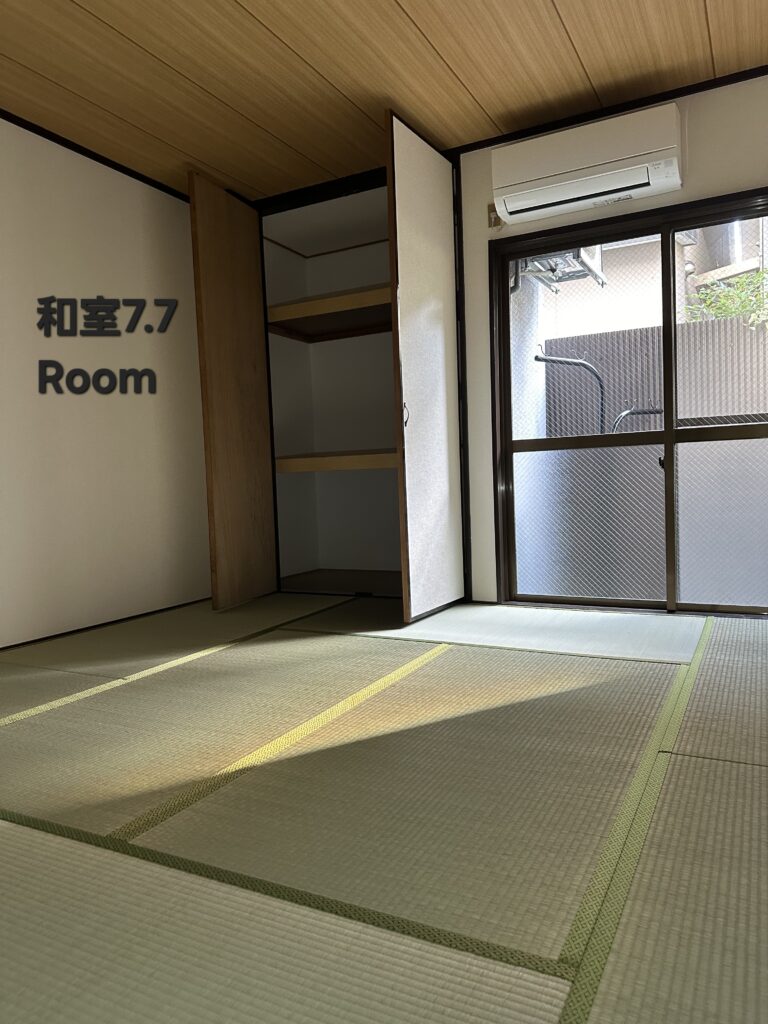
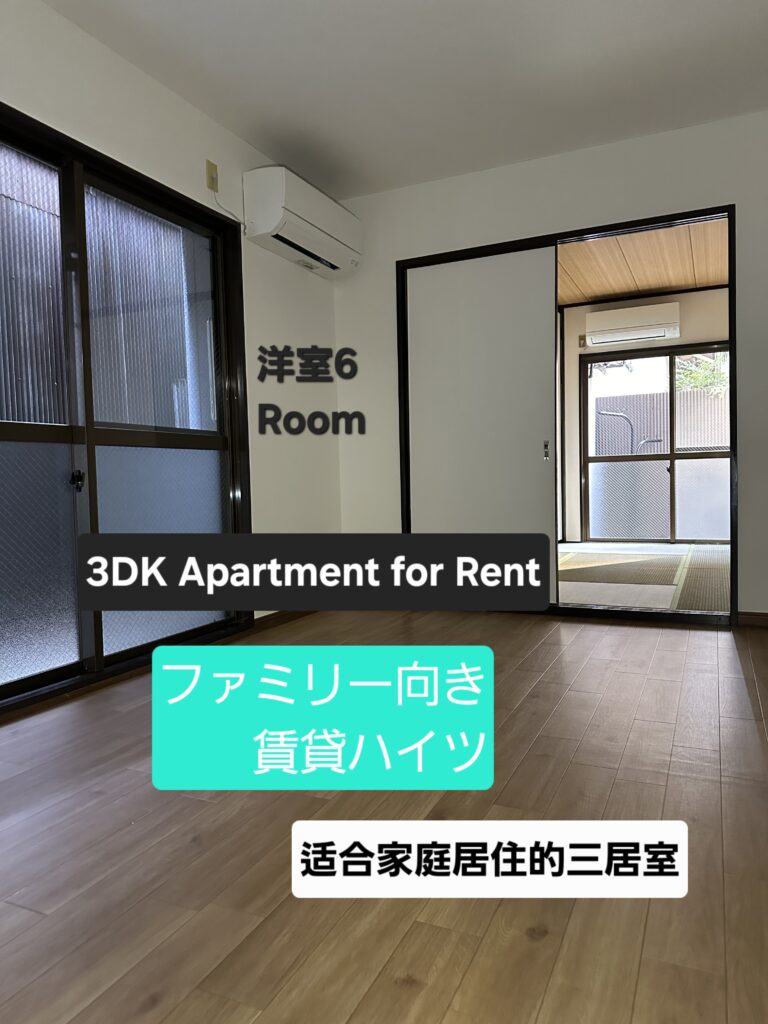
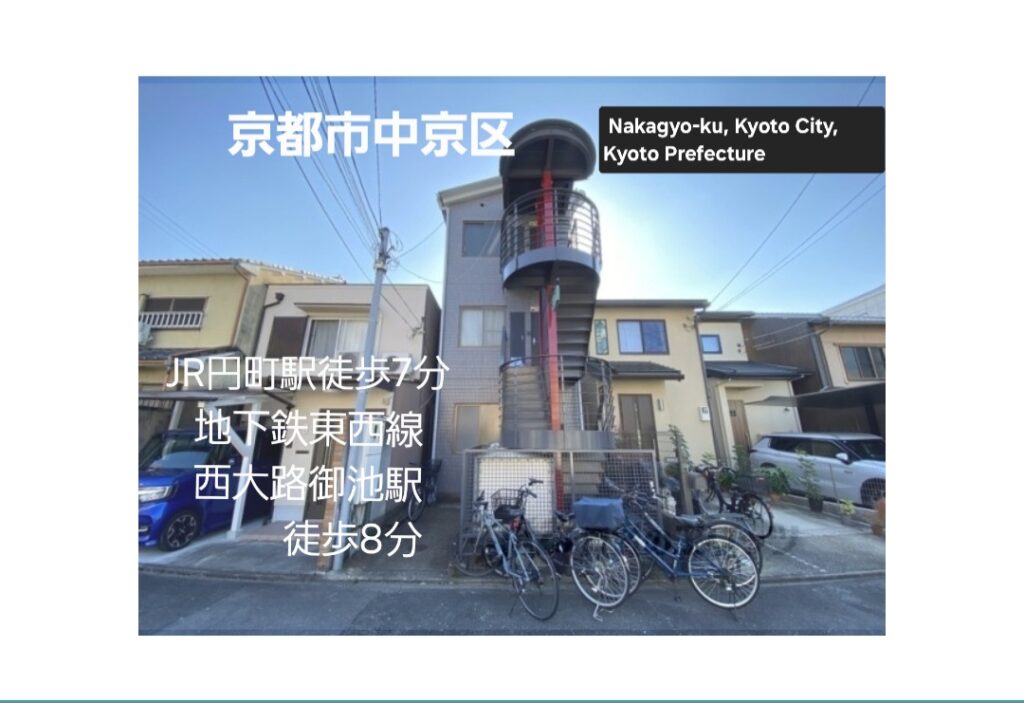
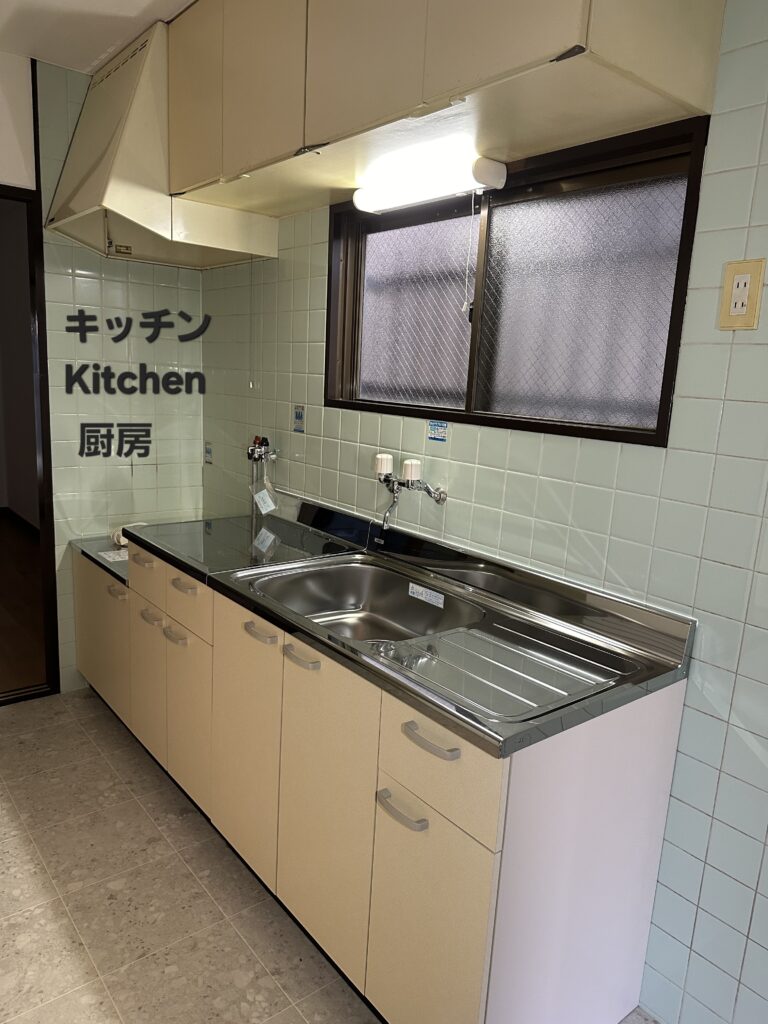
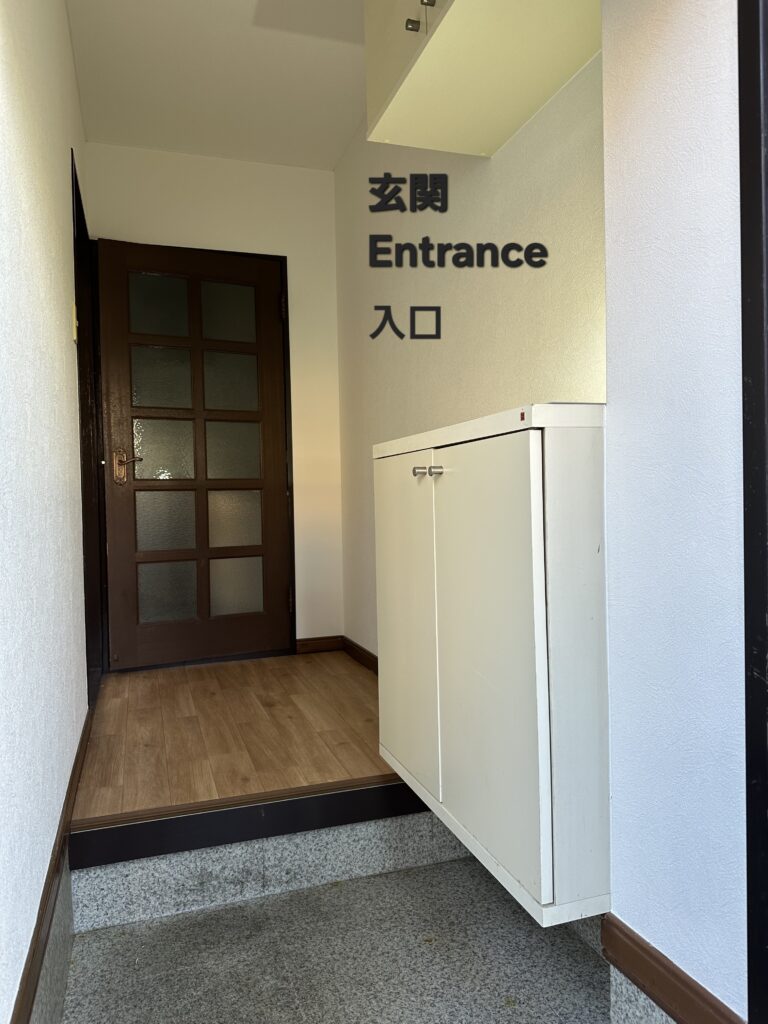
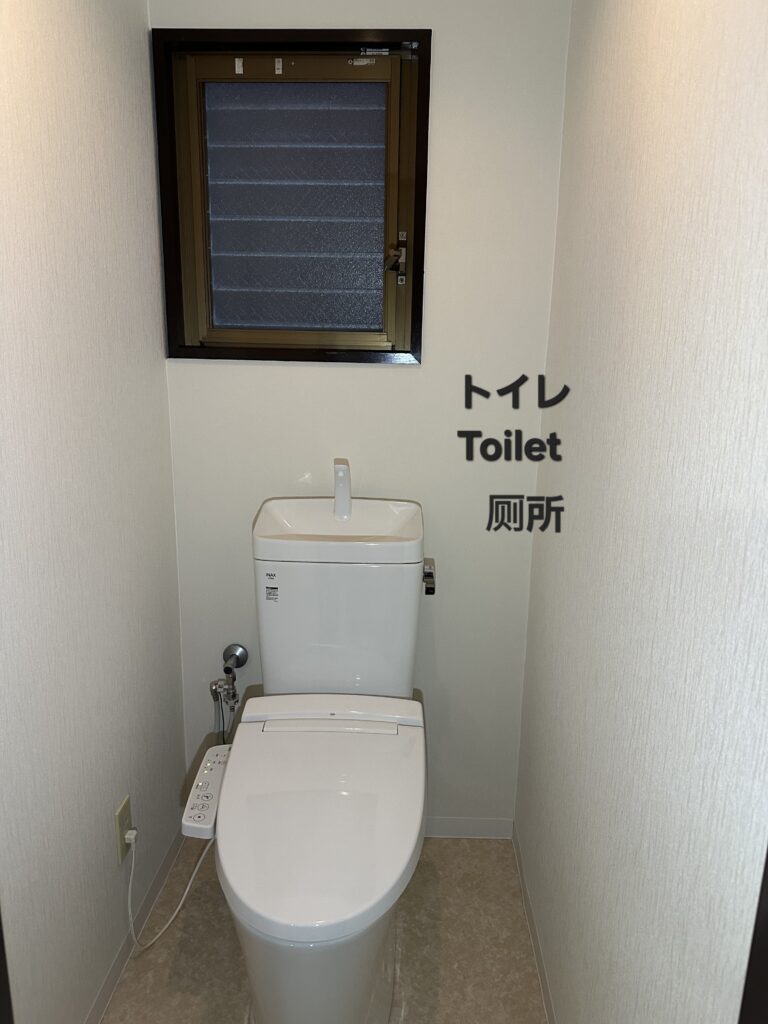
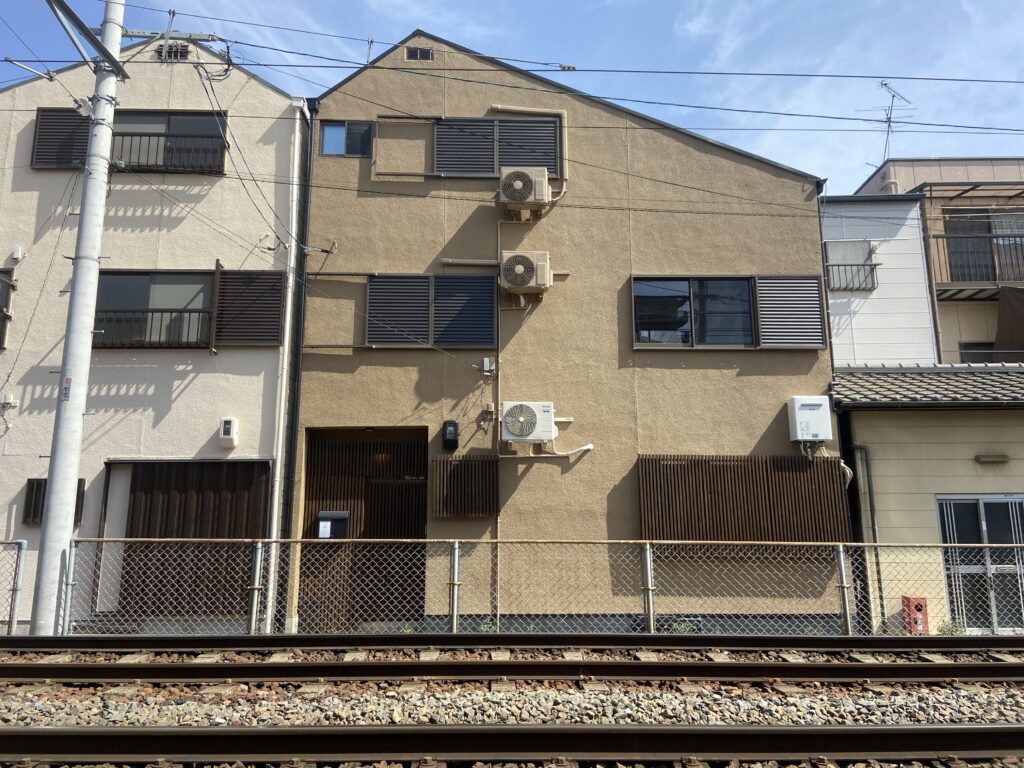
Enmachi is a great neighborhood for newcomers! It’s located just west of the city center and offers easy access to JR Enmachi Station, supermarkets, cafes, hospitals, and everything you need for daily life.
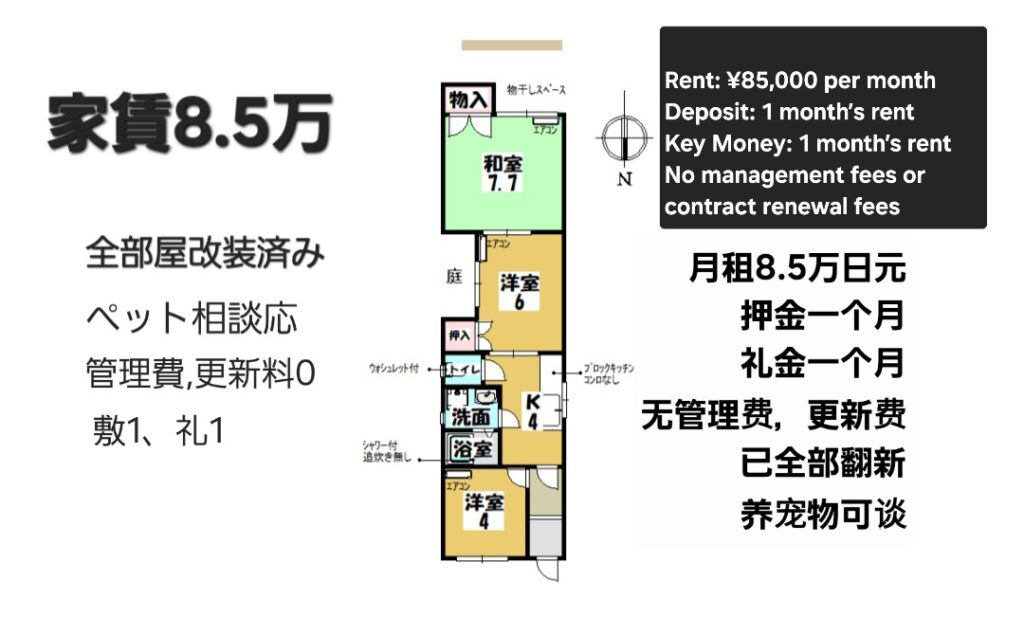
This accommodation is just a 7-minute walk from Enmachi Station. It’s located in a quiet residential neighborhood, yet it’s very convenient for commuting to work or school. The landlord is foreigner-friendly, and someone who understands English or Chinese will be available during the rental process, so you can feel at ease.
The room does not come with furniture, and you’ll need to arrange your own Wi-Fi contract. A security deposit and key money equivalent to one month’s rent each are required. It’s a great option for families who want to try living in Kyoto. Feel free to reach out anytime if you’re interested!
Supermarket & bus stop within 3 min walk 7 min walk from Enmachi Station Foreigner-friendly rental
If you’re interested, please contact us using the inquiry button below^^/
KYOTO TOPIC 2025 Friendly Guide to Renting an Apartment in Japan
Looking to rent an apartment in Japan?
Whether you’re a student, a working professional, or just starting your life here, navigating the rental process can be confusing—especially if Japanese isn’t your first language. Here’s a simple, friendly guide that breaks down what you need to know!
How Much Does It Cost to Rent in Japan?
“There are many international share houses in Kyoto.”
Average rent for a one-room apartment: ¥50,000/month outside metro areas In cities like Kyoto or Osaka: ¥55,000+
But rent is just the beginning! Be prepared for: First 1-2 months’ rent in advance Key money (“reikin”): 1-2 months’ rent (a traditional thank-you fee) Security deposit (“shikikin”) 1-2 months’ rent, often refundable Agency fee: up to 1 month’s rent Guarantor company fee: usually 1 month’s rent Fire insurance: around ¥20,000 for 2 years
Apartment (apaato)
Low-rise, wood or steel frame
Cheaper, but lower soundproofing and less secure
Mansion (manshon)
Concrete structure, high-rise
More secure and better insulated, but higher rent and maintenance fees
Share House
Private room + shared kitchen/bathroom
Cheapest option, great for meeting people
Less privacy, more communal living
Rental Basics You Should Know
Room layout codes
1K: 1 room + kitchen
1LDK: 1 room + living/dining/kitchen
R = Room, K = Kitchen, L = Living, D = Dining, S = Storage
Common amenities
Separate bath & toilet
Air conditioning
Washing machine space
Balcony, auto-lock door, intercom, Wi-Fi
Some apartments come furnished, but many do not. Be sure to check before signing!
5 Steps to Renting a Place in Japan
Find a room online or through an agent
Submit an application with ID, visa, and income proof
Pass screening (landlord and guarantor company check)
Sign the lease and pay upfront fees
Register your address at city hall and set up utilities
Foreigner-Friendly Rental Services
If you’re new to Japan and not confident in Japanese, these companies are a great place to start:
Friendly community for internationals . Large share houses with social spaces, gyms, and more
Final Tips
Most leases are 2 years
Expect basic Japanese communication with landlords
Viewing the apartment before signing is highly recommended
Finding housing in Japan can feel overwhelming, but with the right info and support, you can find a place that feels like home. Start your search with companies that understand your needs—and don’t be afraid to ask for help along the way!
Happy house hunting!
This site uses cookies that are necessary for it to work (see “Cookie Details” below for their uses). External services such as analytics are used only if you choose “Allow all.” Privacy Policy
You can change your choice or withdraw consent at any time (“Cookie Settings” in the footer). Your choice is saved as a record.
Cookie details
Essential cookies (always used)
Required for the site to work. These are used even if you choose “Decline.”
Cookie name
Purpose
Duration
mk_consent
To remember your choice for these cookies (allow or decline)
6 months
pll_language
To remember the language you are viewing the site in