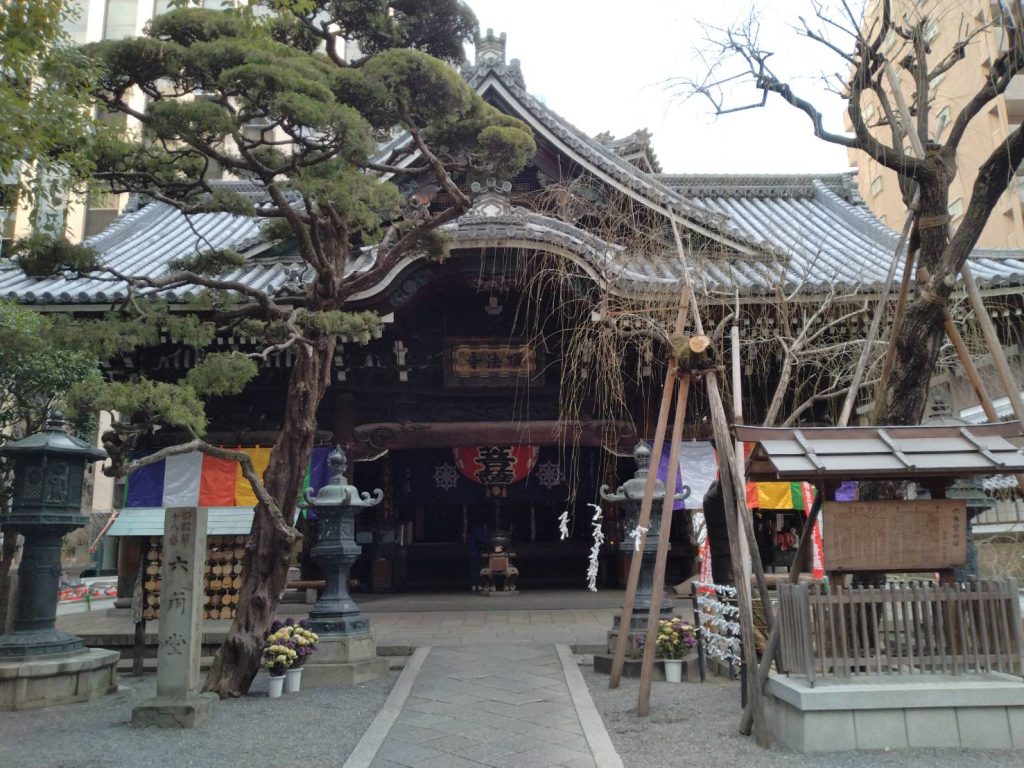
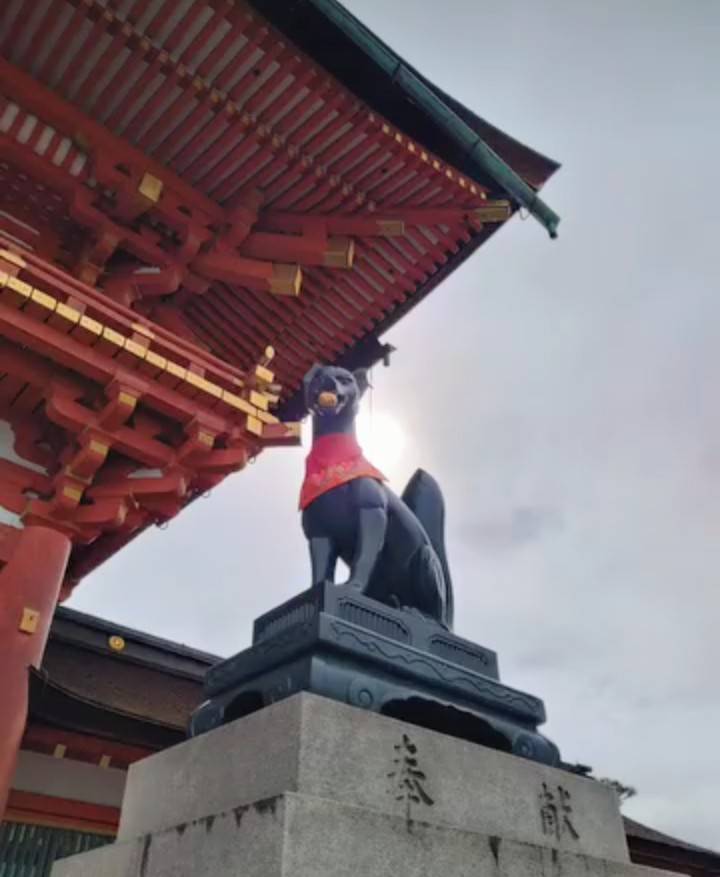
Living in Kyoto, travelers from abroad often ask this question. Interestingly, even for many Japanese people, providing a clear answer can be surprisingly difficult. We tend to think, “If it has a torii gate, it’s a shrine. If it has a Buddhist statue, it’s a temple.” While we understand this intuitively, we often find ourselves at a loss for words when trying to explain why they are different. In Kyoto, where shrines and temples stand side-by-side as a natural part of the landscape, we often pass them by without deeply reflecting on their distinct identities.
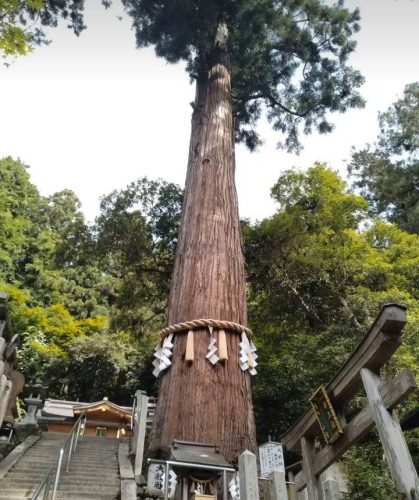
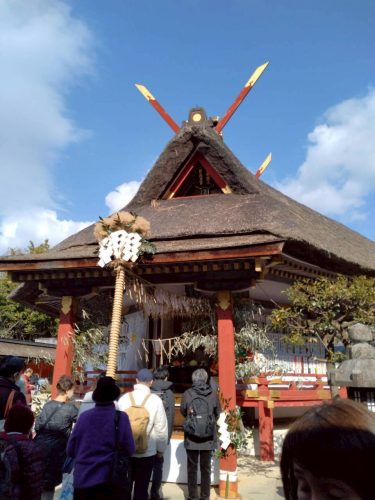
The Fundamental Difference: Shinto vs. BuddhismThe most significant distinction lies in the object of faith. Shrines are rooted in Shinto, Japan’s indigenous belief system. It is based on the concept of Yaoyorozu-no-Kami (Eight Million Gods), believing that spirits reside in all things—mountains, rivers, trees, rocks, and even significant people or events. Conversely, temples belong to Buddhism, which was introduced to Japan about 1,500 years ago. Temples serve as places to study Buddhist teachings and reflect on one’s way of life and the state of one’s heart.Kyoto’s Temples: Spiritual Fortresses Guarding the CapitalIn the context of Kyoto, temples were more than just places of prayer; they were “apparatuses” designed to protect the capital. When Kyoto was the center of Japanese politics and culture as Heian-kyo, people assigned a special role to the surrounding mountains to ward off invisible disasters, plagues, and war. It is no coincidence that major temples, like those on Mt. Hiei, were built in the mountains. Mountains were sacred, distant from daily life, and served as barriers against external threats. By placing Buddhist teachings there, the city was symbolically and spiritually fortified. This is why many Kyoto temples are located on slopes or elevated areas—not just for the “quiet,” but to overlook and guard the entire city.
The Sanmon Gate: A Massive Threshold to Another World
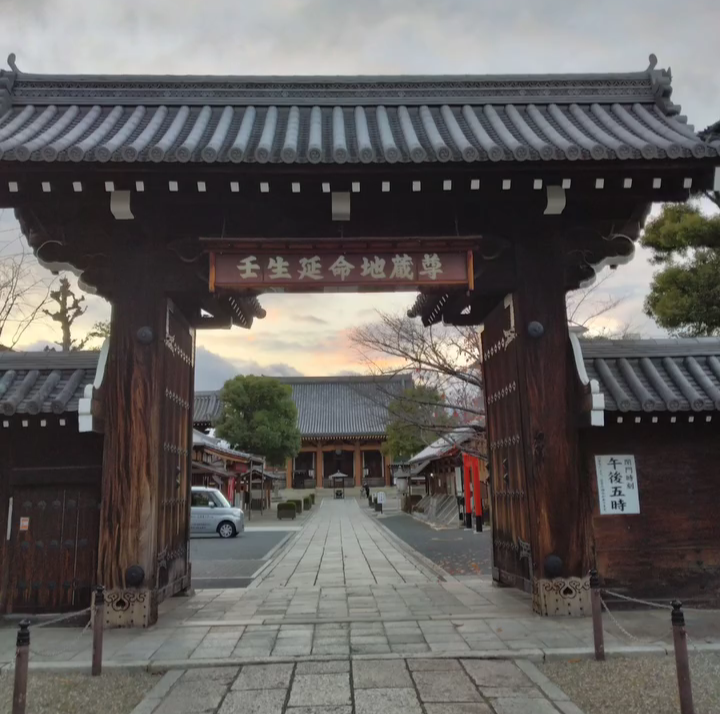
Have you ever felt that temple gates are unusually large? That isn’t just your imagination. The Sanmon gate at a temple’s entrance is not a mere doorway; it is architecture embodying a philosophy. For instance, the Sanmon at Chion-in is about 50 meters wide—one of the largest in Japan. The name “Sanmon” (often written as 三門) refers to the three gates of liberation in Buddhism:Ku (Emptiness): Realizing that nothing has a fixed, permanent substance.Muso (Formlessness): Not being misled by outward appearances.Musa (Effortlessness): Letting go of artificiality and accepting things as they are.Passing through this gate is a ritual of leaving the secular world behind and entering the realm of the Buddha. This is why we naturally straighten our posture and lower our voices; our bodies instinctively recognize that we have crossed into a different world.
Aesthetics Born from Zen and the Reality of Life
The “simple” and “minimalist” beauty of Kyoto temples stems from Zen Buddhism, which was deeply embraced by the Samurai. Living in an era of constant warfare where death was always near, Samurai found spiritual support in Zen, which emphasizes focusing on “the present moment” and quieting the mind. Zen values stripping away the unnecessary—prioritizing experience over words and insight over logic. This philosophy evolved into Karesansui (dry landscape gardens), ink wash paintings, and unadorned architecture. The beauty found in Kyoto’s temples is not merely a design choice; it is the physical manifestation of how people confronted life and death.
The Meaning Behind the Manners: Clapping vs. Silence
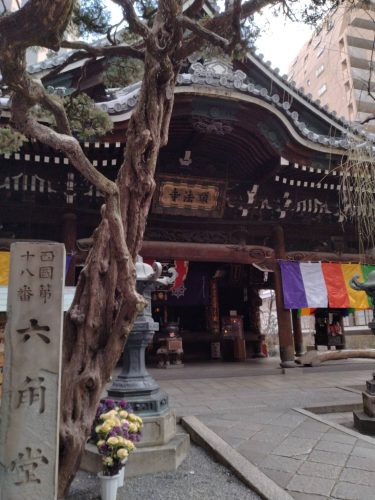
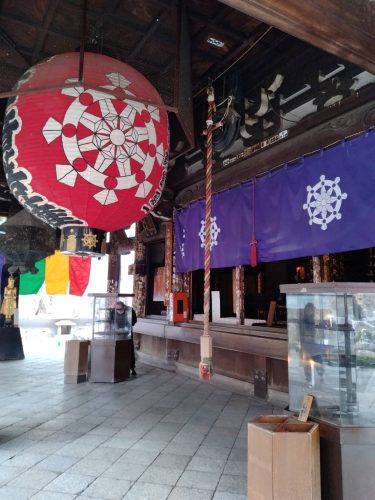
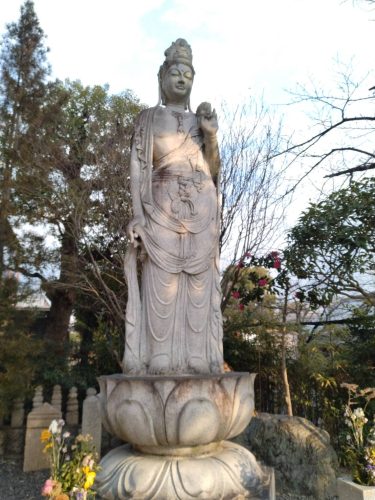
Knowing the “why” changes how you see the scenery. At a shrine, we clap our hands to call the deity and to show we are not carrying weapons. In a temple, we join our hands in Gasho (prayer) to symbolize becoming one with the Buddha. Though the forms differ, both are acts of profound respect. By shifting from “memorizing manners” to “considering who we are greeting,” the culture and landscape of Kyoto begin to resonate more deeply within the heart.
Understanding the “Why” of Local Kyoto
Understanding the difference between a shrine and a temple is synonymous with understanding the city of Kyoto itself. For those living here or those planning to move, the best way to enjoy this city deeply is to pause at a “Why?” and explore it. This local insight brings history and culture closer to our daily lives. In our next session, we will continue to dig into the fascinating mysteries of Kyoto. We look forward to seeing you then!
※This article was reconstructed and edited by our editorial team based on the content of the Machi-Aruki Nanahaya Workshop held on January 28, 2026.